Blog %

There has been much discussion raised about "Why are women leaving Architecture? and more broadly, Why is the profession losing key talent?"  Both women and men practitioners are disillusioned by the myth of work/life balance: Women are grappling with "have it all" expectations of juggling family time with the demands of full-time work.  Men are struggling to support their families solely on an architect's salary and fall back on asking spouses to maintain their jobs. The lack of affordable childcare and high cost of living only magnifies the challenges.  How did we end up in this modern family dilemma? What can we do to improve the situation?

Learning from Silicon Valley

by Lilian Asperin Clyman

A few miles to the South of San Francisco, there are incredible hotbeds of innovation. I wondered…What are the attributes of the cultures that create the types of things, gadgets and ideas that are evolving the quality of our lives?

What I Learned about Hacking: A Weekend in March 2013

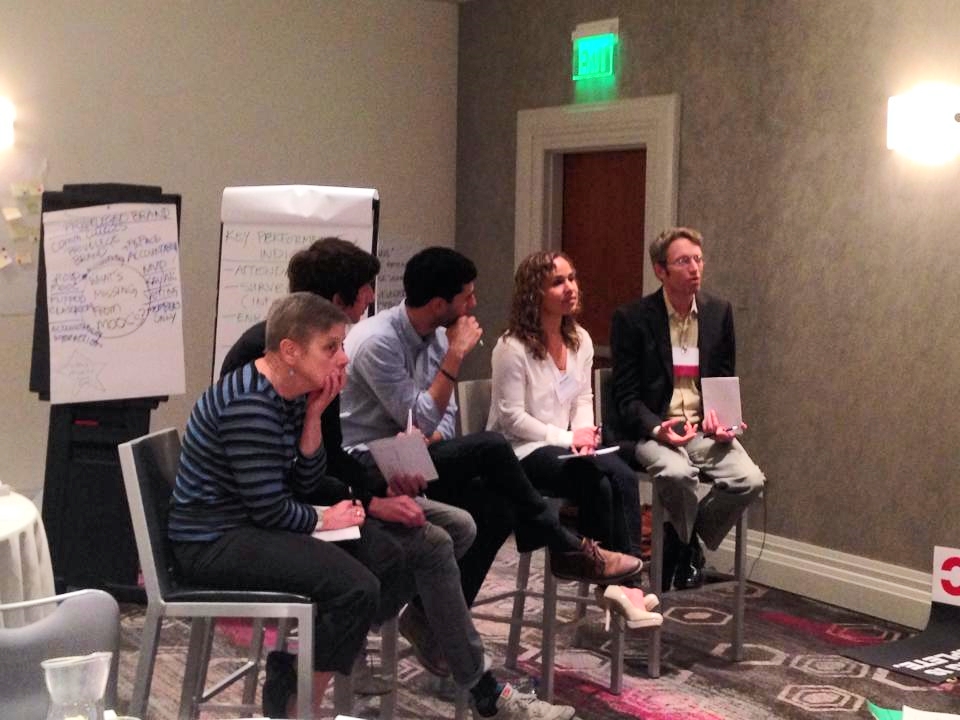
I attended the inaugural AEC Hackathon on a whim and with no expectations.  It was the same feeling I had on the very first day of College at Cal.  My internal voice said: “Show up, figure it out, have fun and never look back”. Within minutes, what looked like “speed dating” started to take place and it was a rush of meeting a person then understanding what their passion was about.  I soon learned that these are precious minutes for first impressions, and that no one has any emotions hurt if you meet, chat, then decide to continue looking for a match.

encouragewildideas

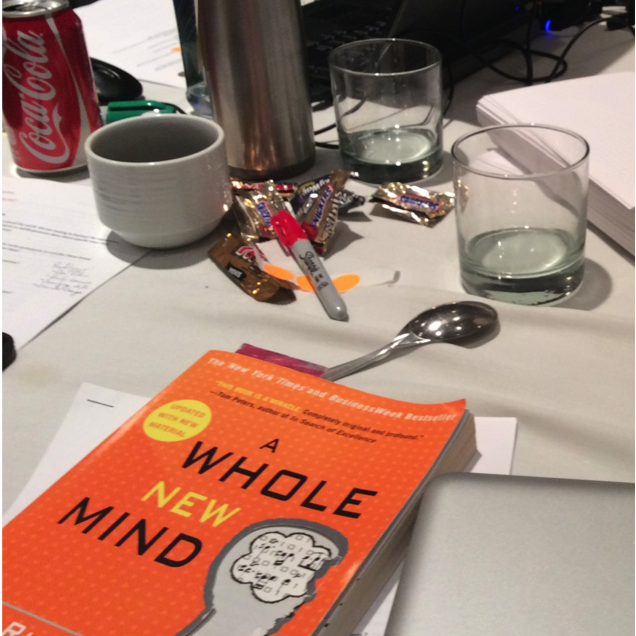
One of the giant posters on the wall said“Move Fast and Break Things.” Something really authentic happens when you have nothing to lose and everything to gain.  When you all find yourselves saying “Why Not?”  It’s a sea of explorers who have zero fear in their heart or mind. We were at Facebook’s campus, with an open kitchen fully stocked with sugar and caffeine to be complemented by a mountain of pizza boxes and more snacks throughout the evening.

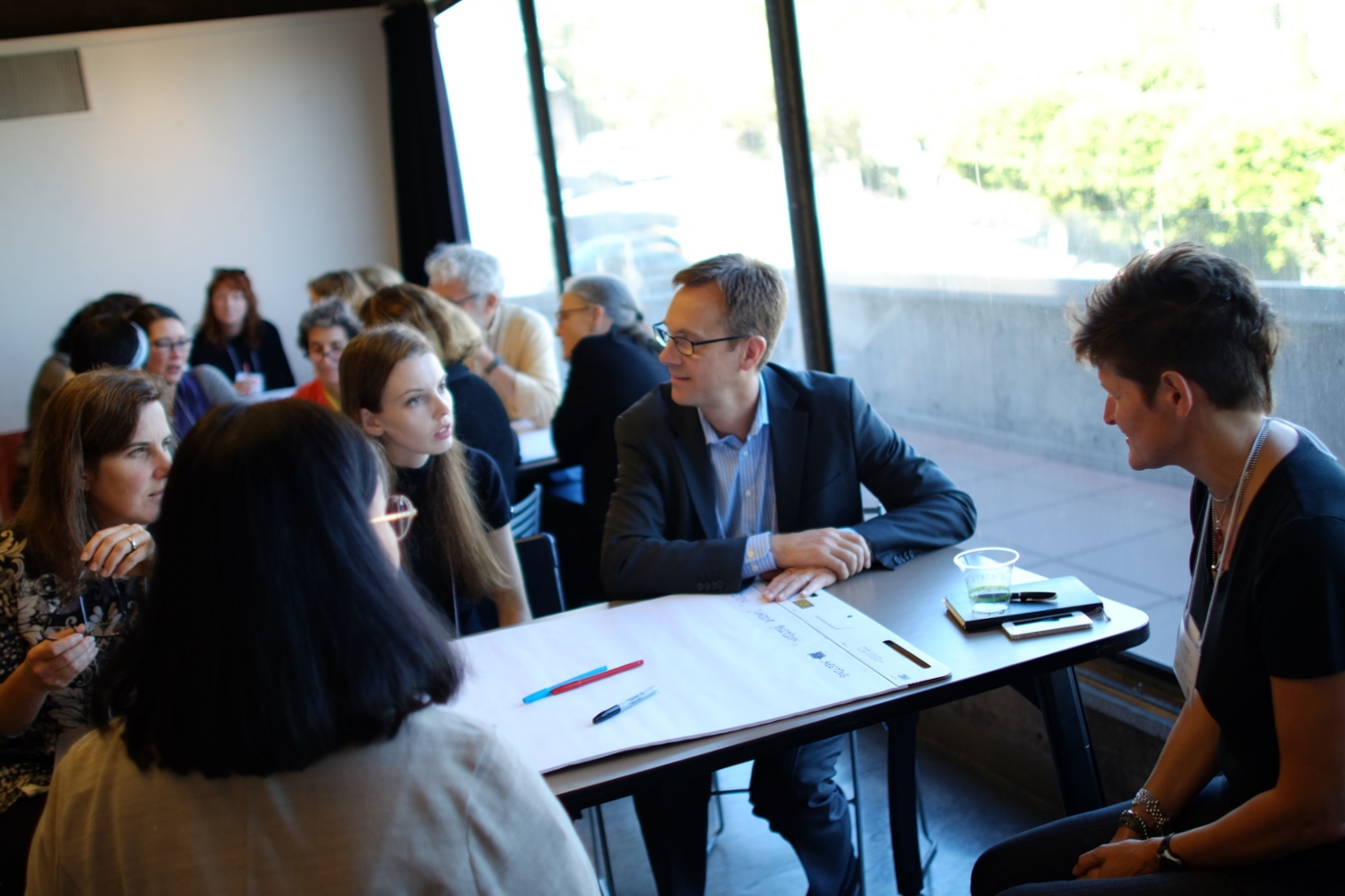
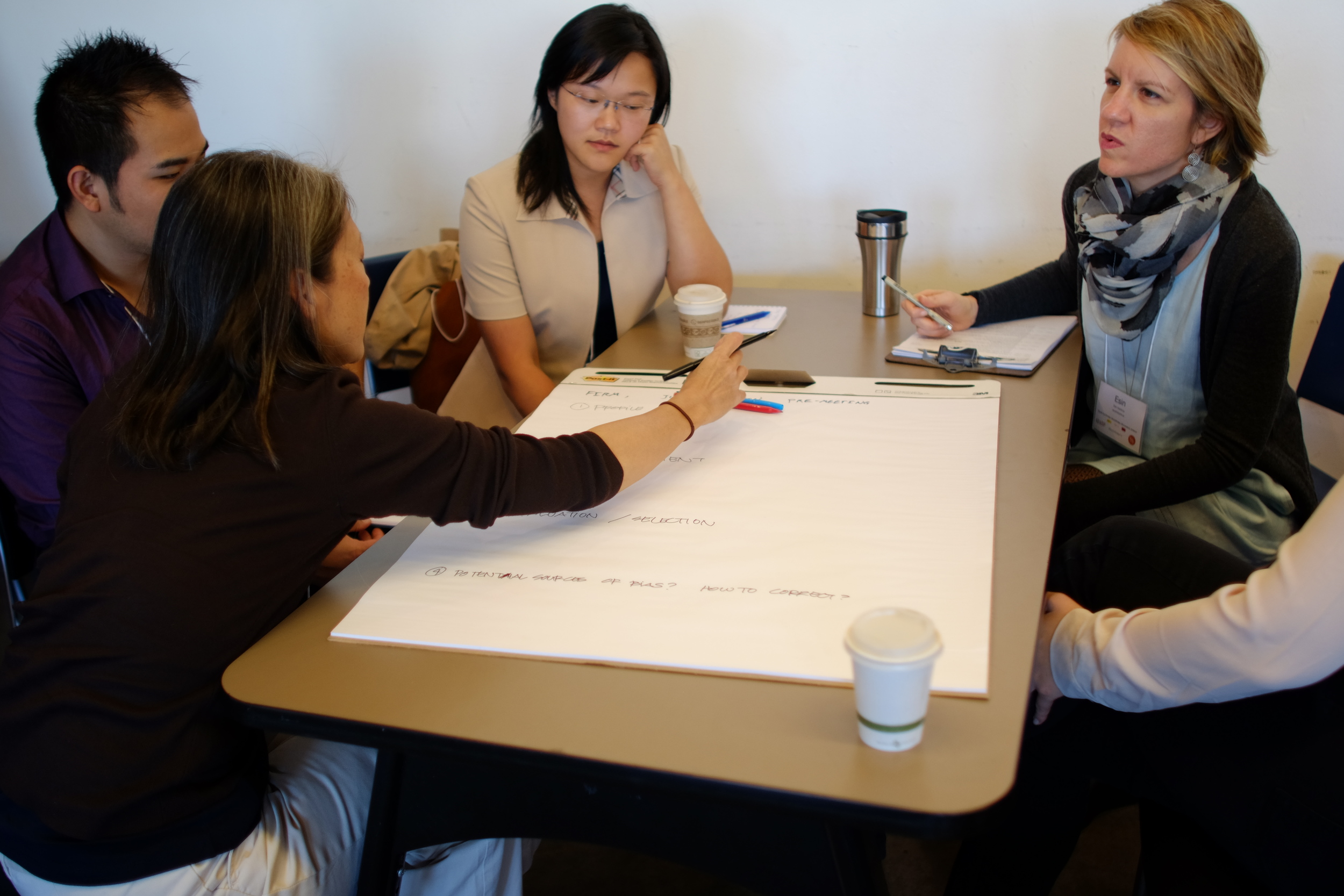
A group of us decided to start hacking.  We wanted to dive in and think of a cool app or product prototype to build.  Our two coders (one from New York and one local) were amazing contributors to the conversation among otherwise architects and builders.  We sketched on yards and yards of trace, and summarized our discussion into doodles.  What is art? What is space? What makes a team tick? How do we elevate the AEC community? Is it a better 3d modeling software? What would we want to document? Why don’t we learn more from the folks in the field? How do we make better and more efficient environments for human beings?

A brilliant question came from Boris, one of our patient coders.  He asked us to think about the root of our discussion more and to not be afraid to embrace the fundamental challenge.  “Why don’t you hack the process?” It was a breath-taking, clarifying moment.  Almost immediately all us started working quickly and to our individual strengths, but within the collective.  The builder who loved story-telling starting outlining how we would approach our diverse audiences. The designer thought about whether or not there is an optimal time in a project for material selection. I began diagramming how we currently do things as a backdrop for our “Hack”. It was a good lesson – we all work well, fast and with joy when we are working to our strengths.
AEChackathon

Our Hack

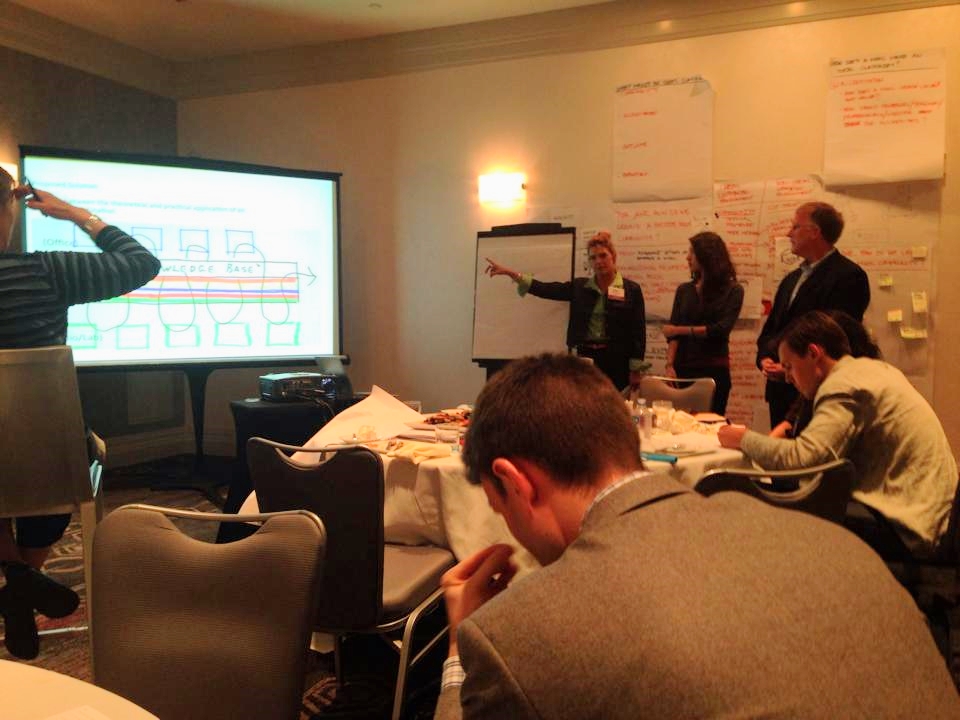
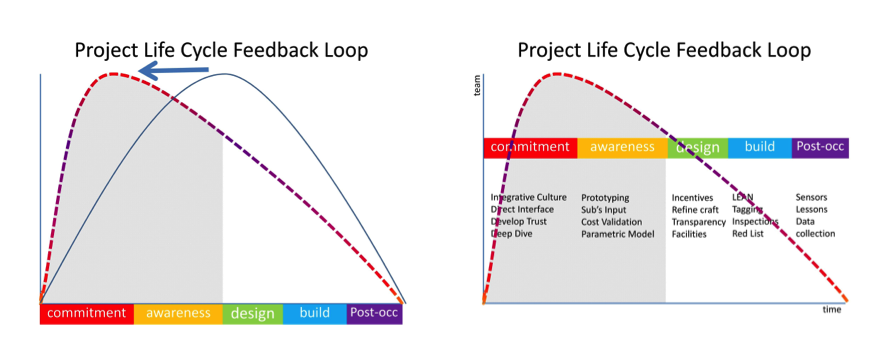
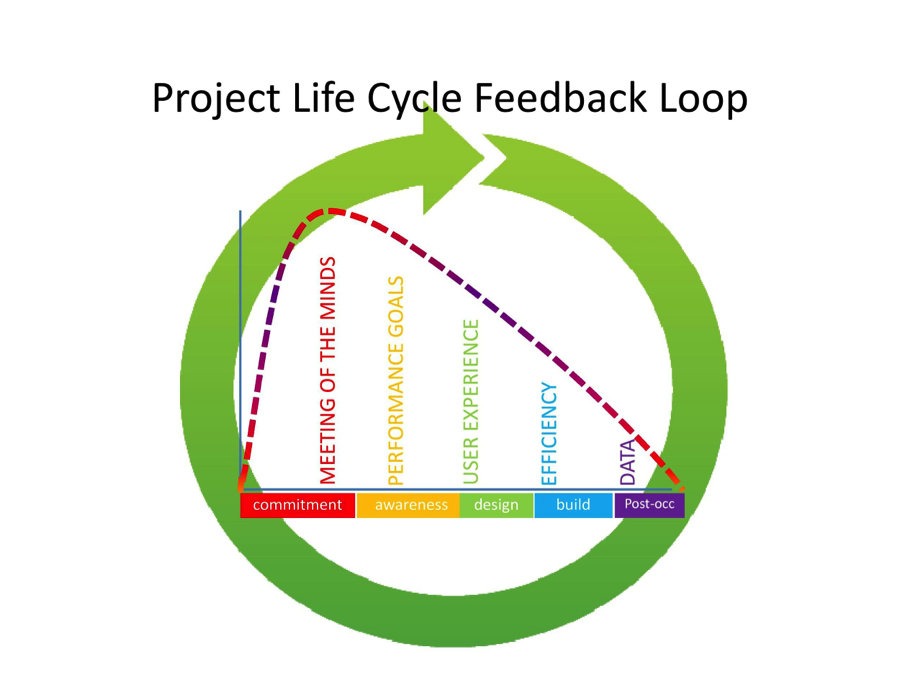
Our team consisted of 3 architects, 3 contractors and 2 coders.  We were very interested in how we could bring innovation to design and construction so that we could create a process of high-touch (empathy and user interface), improve energy performance, create buildings that are smart and adaptive, and ultimately deliver extraordinary human experiences.  Our traditional method has us working in silos, linearly, with the team being the largest during construction documentation phases - which is NOT where we believed great, transformational value is identified or delivered. We affectionately referred to this as “moving the belly” of the project from the midpoint to the inception. Video here!
AEChackathon2

Game Changers

We proposed to develop a feedback schema for the AEC industry.  Everyone and every thought would be located in one shared Model as a communication platform.  This would allow us to collect and publish best practices emerging from Integrated Project Delivery contracts, Big Rooms, Studios and Field Work.  In our minds, data would be processed into information, which would then lead to knowledge and ultimately wisdom. The value of design and construction would be elevated as we would be able to tell compelling stories about what has quantifiable benefit on human experience.

Hacking for Good

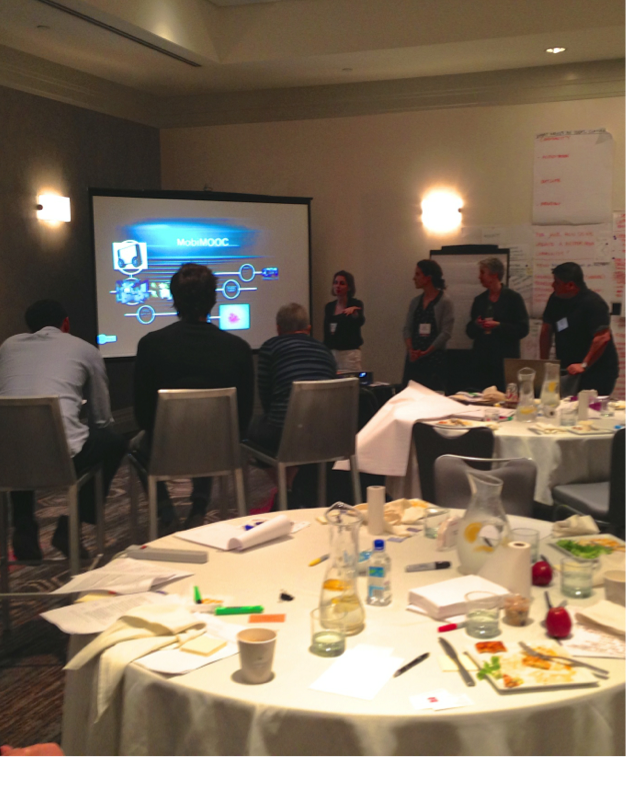
Post First AEC Hackathon, I caught the bug big time.  Where are other areas in our world where there is a need for innovation? So, the fearless adventurer in me found two partners within SCUP (Society for College and University Planners) and we led the very first Hackathon at the Pacific Region’s annual conference.  We dedicated the day to exploring the subject of MOOC’s (Massive Open On-Line Courses), which is a topic many see as either the future of Higher Education or a disruption to avoid.  A perfect topic for thinking outside the box, analyzing through the lens of empathy for students, and considering how learning and teaching experiences are so fundamental to our next generations.

AEChackathon4

This year, I am enthusiastically leading another Hackathon with other architects, this time at the AIA National Convention. Combining the format for the hackathon with the evolving methodology for teaching/learning known as the Flipped Classroom, we will distribute the results of the 2014 Equity in Architecture Survey to participants, and we will ask them to come ready to propose new models to solve challenges within the profession of Architecture. How do we hire and retain the best? What do we do that helps us grow and develop as creatives? Why do we do what we do and is it meaningful for us and relevant to our world?

(WE310) Equity by Design: Knowledge, Discussion, Action! 5/13 1-5pm at AIA Convention, Atlanta.

Which Craft?

By Rosa Sheng, AIA, LEED AP BD+C

This post is a contribution to a group series called #ArchiTalks in which Bob Borson "Life of an Architect" gives a theme or a set of questions and we participate with a blog response… this month’s theme: "Crafty". When Bob sent out the email for this topic, I'll have to admit the theme "Crafty" threw me for a serious loop.  My preconceived notions of "Crafty" had so many competing definitions and interests. So for the sake of my own bias and writer's block, I abbreviated "Crafty" to just plain "Craft". 

The act of deciding which "Craft" to write about was still difficult; but it did create a fun play on words for this blog title; Which Craft? In the previous Architalks #5 A few of my favorite things, an entire section was dedicated to the topic of "making things"; Real food, play food in the form of felt dim sum, custom knit creations, fashionable bags out of remnants and watercolor sketches.  So now what?

 I typed "Craft" into the Google search, which resulted on the following:

  1. An activity involving skill in making things by hand.
  2. Skill in carrying out one's work. "a player with plenty of craft"

An then a moment of clarity. 

"Craft" in the context of being an architect has new potential for innovation.  Over the centuries, an architect's skills and expertise have transformed from the direct "hands on" making or actual construction (Skill in making things by hand) into a less tactile relationship with the end result. The "Craft" of an architect as designer, coordinator, and manager has become removed from the actual process of making buildings and, given the advancement of technology, has evolved to design and communication of construction knowledge (Skill in carrying out one's work). Born from this challenge is the opportunity for innovation. How do we as architects reconnect to our roots as makers and communicators in the Information Age within the context of the Digital Revolution and the rapid rate of development? How do we reconnect with the culture of craft in a real and tangible way beyond the rhetoric?

Codex Atlanticus by Leonardo da Vinci

Codex Atlanticus by Leonardo da Vinci

In terms of the Craft discussion as it relates to Equity in Architecture, there are many ways evolving technology can help reconnect architects as makers while also providing new ways to share knowledge that will advance and integrate design and building construction to benefit the greater good. We have discussed the concept of expanding the reach of the profession "Architecture And" as a way to explore new areas of expertise and service offerings; thinking outside the proverbial box.  

A private company in Shanghai used 3D printers to print 10 full-sized houses in just one day.

A great example is the evolution of 3-D Printing. The technology has advanced to the point that full scale 3-D printers used to fabricate materials in the construction industry seem inevitable. These new ways to reconnect to the craft of building has the potential to make architecture and the design process more accessible to the public.  According to Architect's Newspaper, WinSun Decoration Design Engineering Co. is behind the series of humble buildings, a fully fabricated unit is expected to cost less than $5,000. The homes were created through the use of a 490- by 33- by 20-foot 3-D printer that fabricates the basic components required for assembly. The accessibility of smaller 3-D printers for use in architecture firms, could allow architects to design and prototype new construction components in a cost effective way prior to fabricating the full scale versions out in the field. 

There are many other emerging technologies in development that deserve more discussion about their influence in shaping the future "craft" and role of architects into the 21st Century. Thus, I have compiled the following curated list of articles and resources to be covered in a blog post in the not so distant future. Which craft appeals to you to explore further to advance our profession?


EQxD Hackathon: Crafting the Future of Architecture

Interested in innovating architecture and professional practice? Come join us at AIA National Convention on Wednesday, May 13th for (WE310) EQxD Hackathon 1-5pm where we will use design, technology and creativity to disrupt modes of practice that currently prevent us from reaching our full potential. The event will include a Happy Hour with Jury results and awards!


Since I launched this post for Architalks, a fellow architect on Linked in shared an AIA National video on The Culture of Craft, a deep discussion with 5 architects about what craft means to each individual. Worth a look if you have the time! 


Interested in more discussion about the Architalks topic "Craft(y)"?

Follow the links below for different takes on Craft(y) from other architects: 

Bob Borson – Life of An Architect
@bobborson
Architects are Crafty

Matthew Stanfield – FiELD9: architecture
@FiELD9arch
On the Craft of Drafting: A Lament

Marica McKeel – Studio MM
@ArchitectMM
Why I Love My Craft: Residential Architecture

Jeff Echols – Architect Of The Internet
@Jeff_Echols
Master Your Craft – A Tale of Architecture and Beer

Lee Calisti, AIA – Think Architect
@LeeCalisti
panel craft 

Lora Teagarden – L² Design, LLC
@L2DesignLLC
Oh, you crafty!
Michele Grace Hottel – Michele Grace Hottel, Architect
@mghottel
krafte

Meghana Joshi – IRA Consultants, LLC
@MeghanaIRA
Crafty-in Architecture as a Craft

Stephen Ramos – BUILDINGS ARE COOL
@sramos_BAC
Ghost Lab

Brian Paletz – The Emerging Architect
@bpaletz
Underhanded Evil Schemes

Jonathan Brown – Proto-Architecture
@mondo_tiki_man
Crafty

Eric Wittman – intern[life]
@rico_w
http://ercwttmn.blogspot.com/2015/03/arts-and-crafty.html

Tara Imani - Indigo Architect
@Parthenon1

http://www.indigoarchitect.com/2015/03/30/crafting-a-twitter-sabbatical/

Mike Riscica
@YoungArchitxPDX
http://youngarchitect.com/2015/03/30/a-crafty-architecture-round-up-architalks/


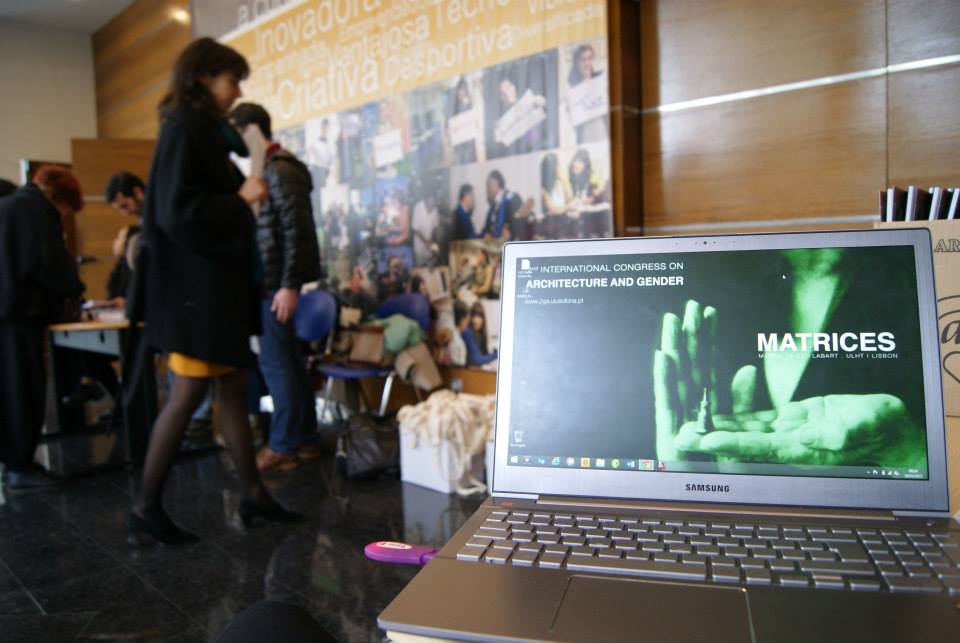
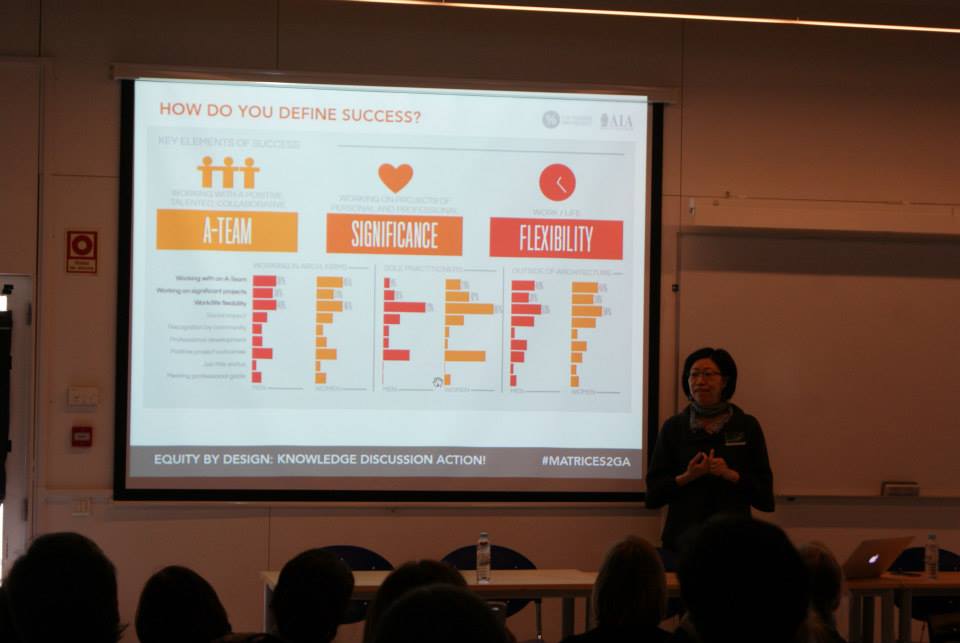
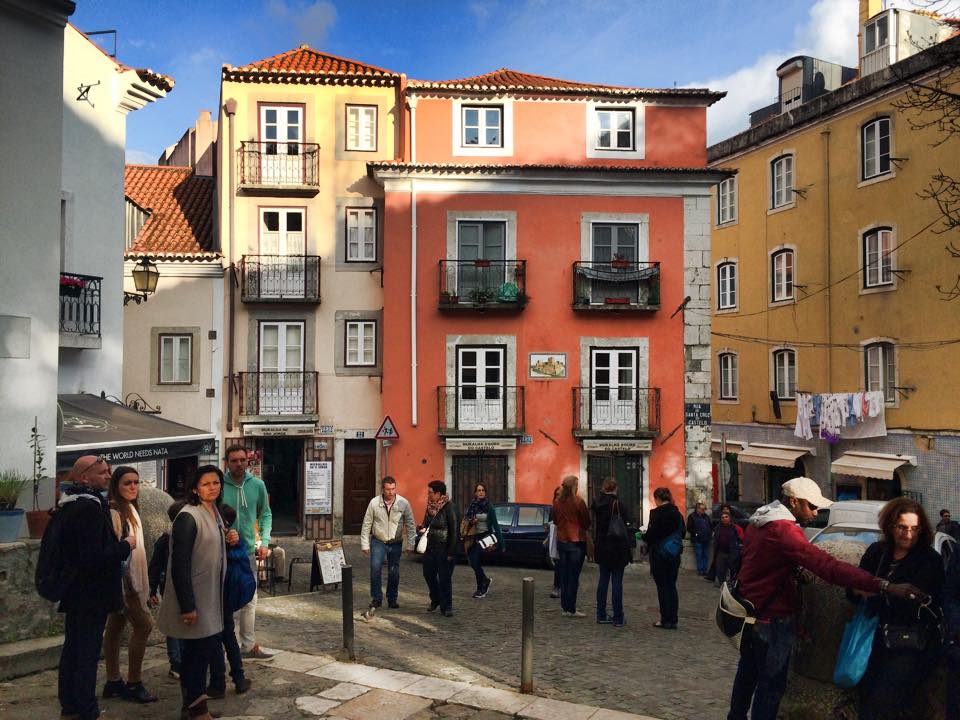
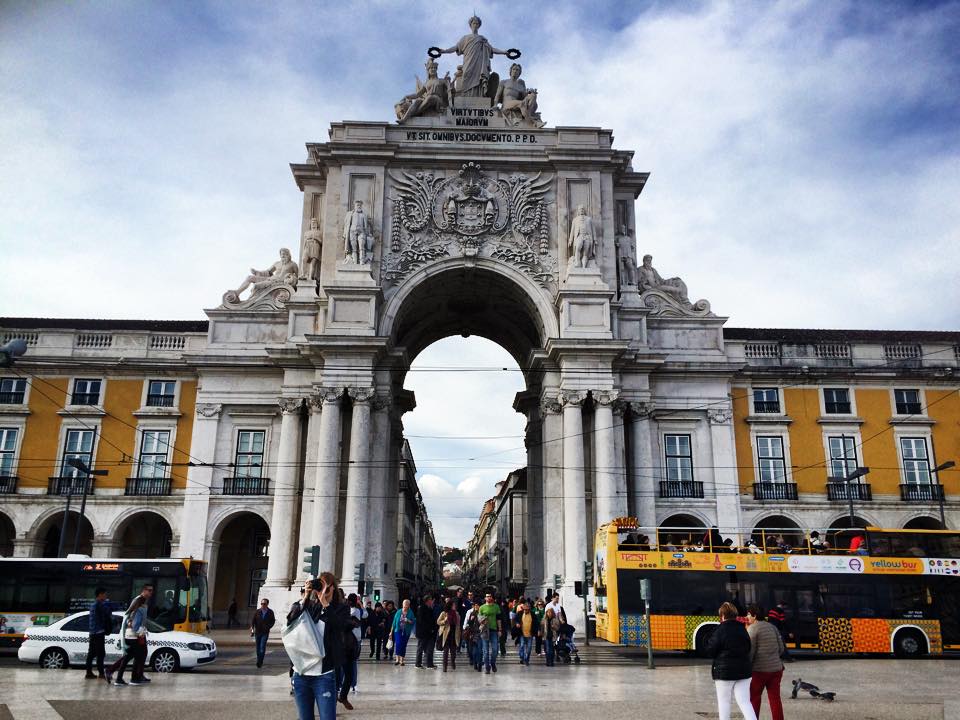
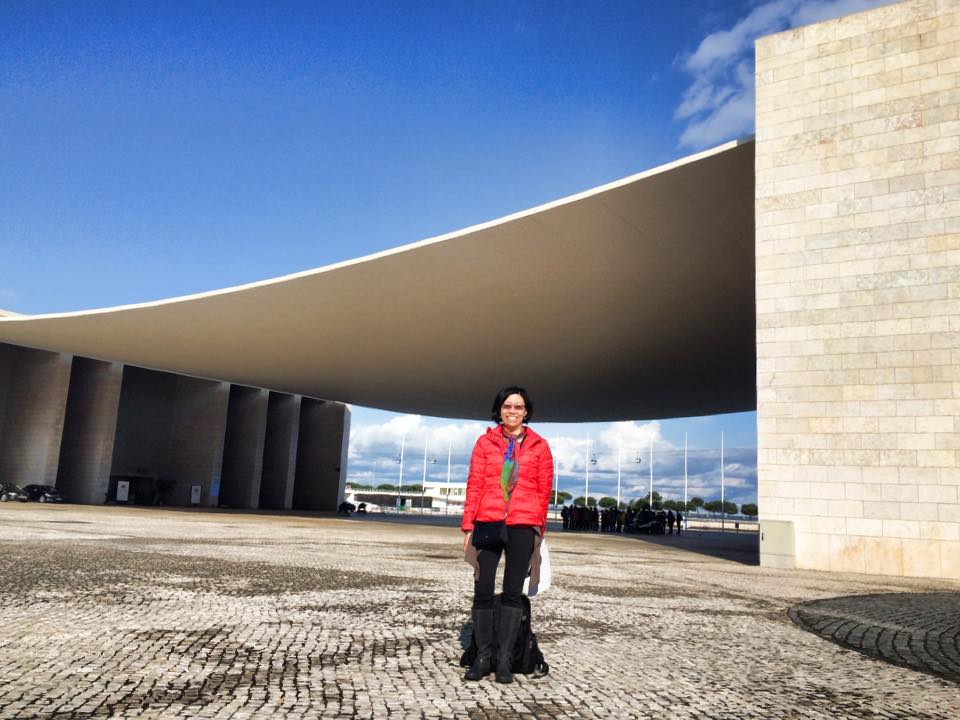
Inspirations from Matrices: 2GA in Lisbon, Portugal 3/18-3/20

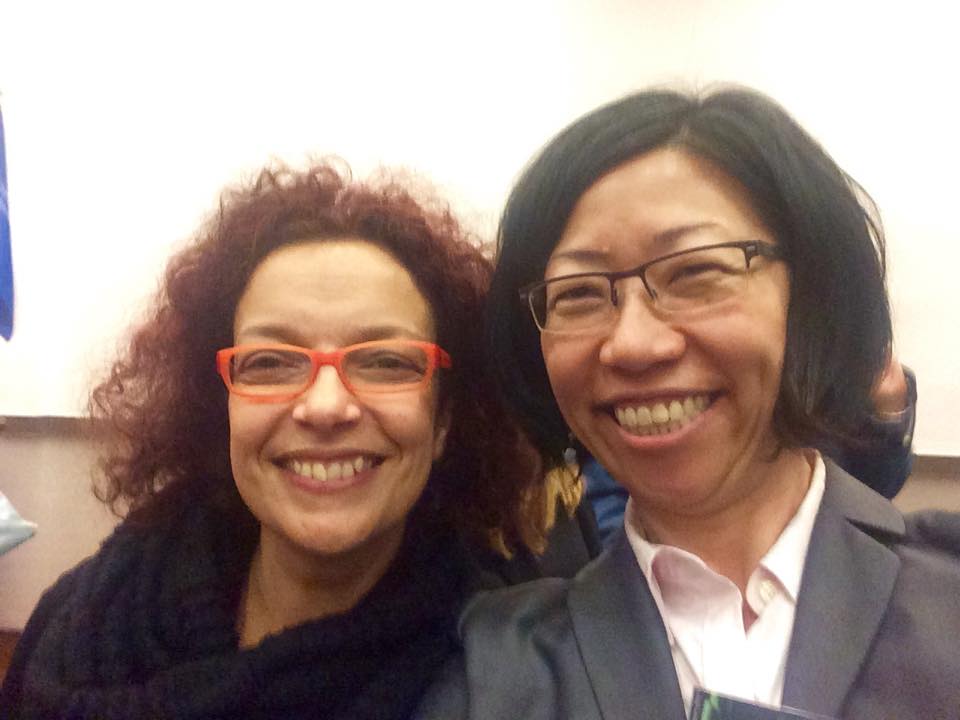
by Rosa T. Sheng, AIA

MatricesPoster.jpg

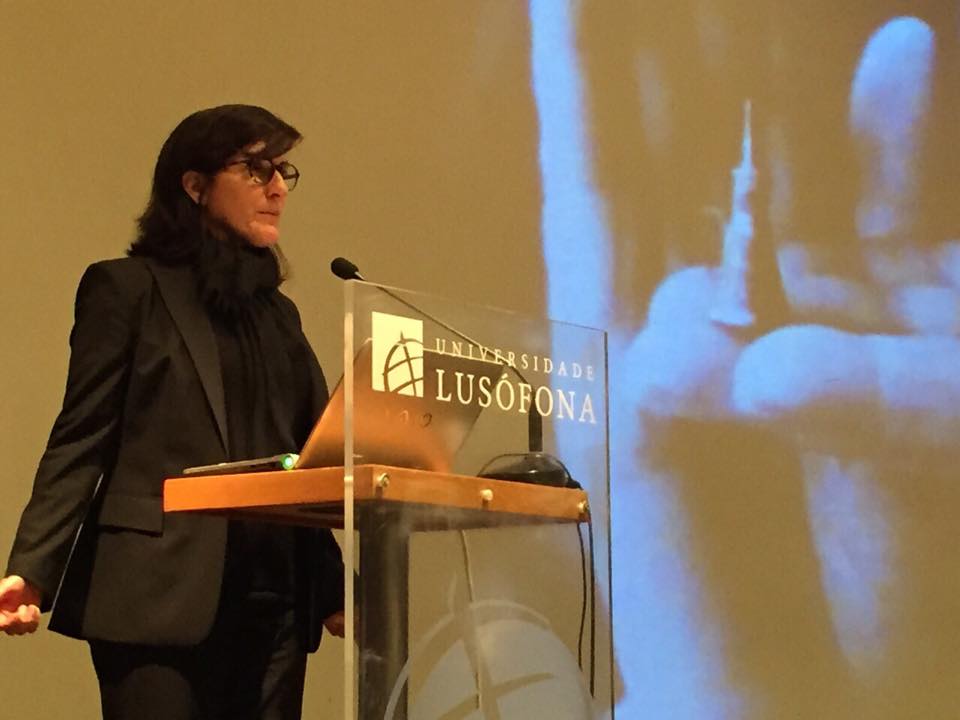
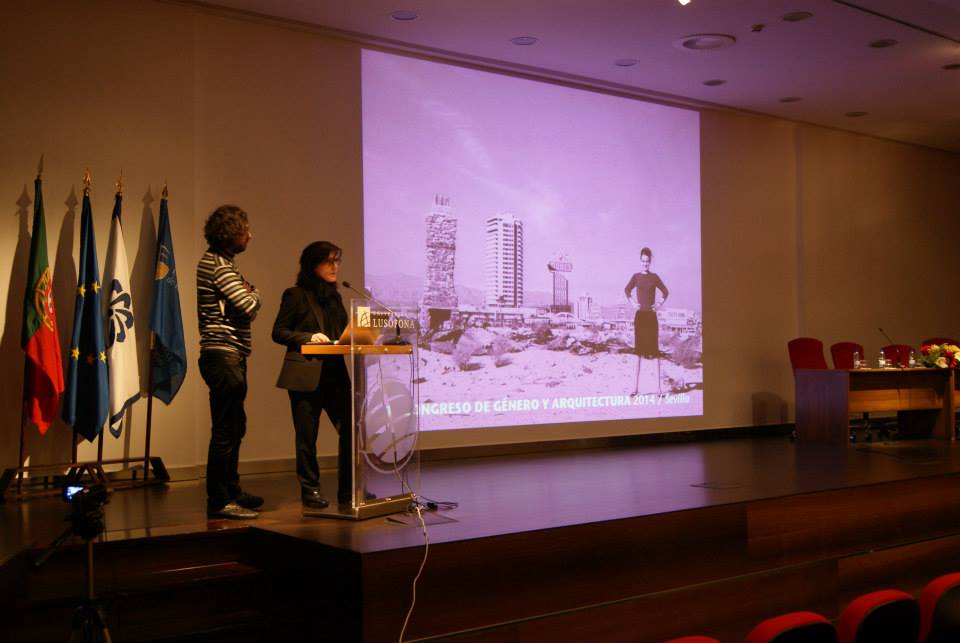
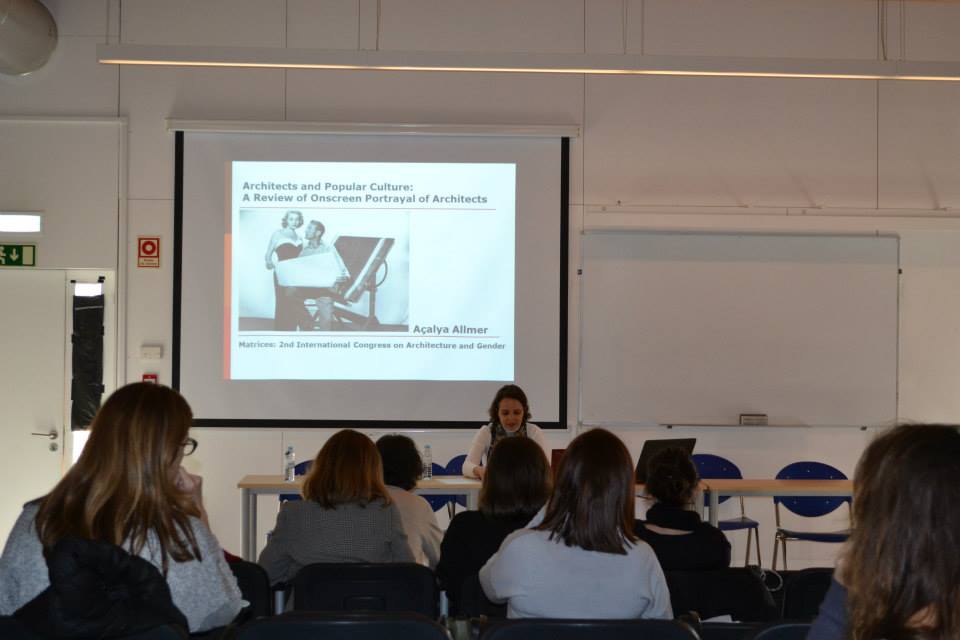
Last week, I attended Matrices: The 2nd International Congress on Architecture and Gender at the Universidade Lusofona in Lisbon, Portugal to present The Missing 32% Project: Equity in Architecture Survey findings to an International audience of academics, practitioners and students. The theme Matrices has several definitions and they are all inclusive by nature. Matrices are environments where things develop, the models or patterns that shape formations, and they can also reinvent an environment. These images are suited to address the current patterns of change regarding architecture and gender. We found the conference theme to be concurrent with the mission and activism associated with Equity by Design.

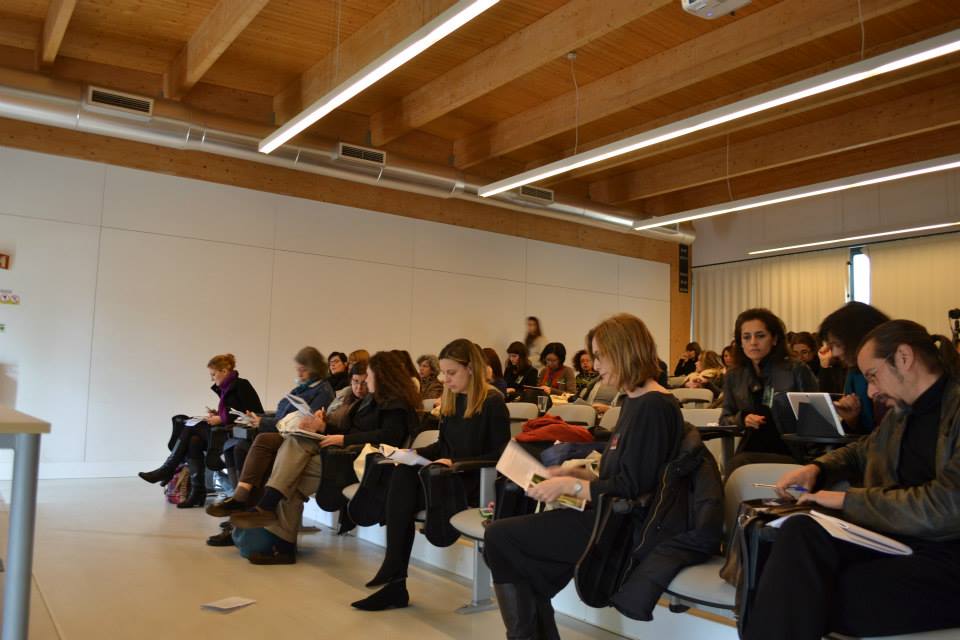
The 3 day Conference featured presentations that provided a broad forum for discourse on the history and current state of practice for women in architecture around the world by architects, philosophers, historians from Portugal, Spain, Saudi Arabia, the United Kingdom, Brazil, Switzerland, Germany, Canada, Italy, Turkey, Sweden, Costa Rica and the United States. 

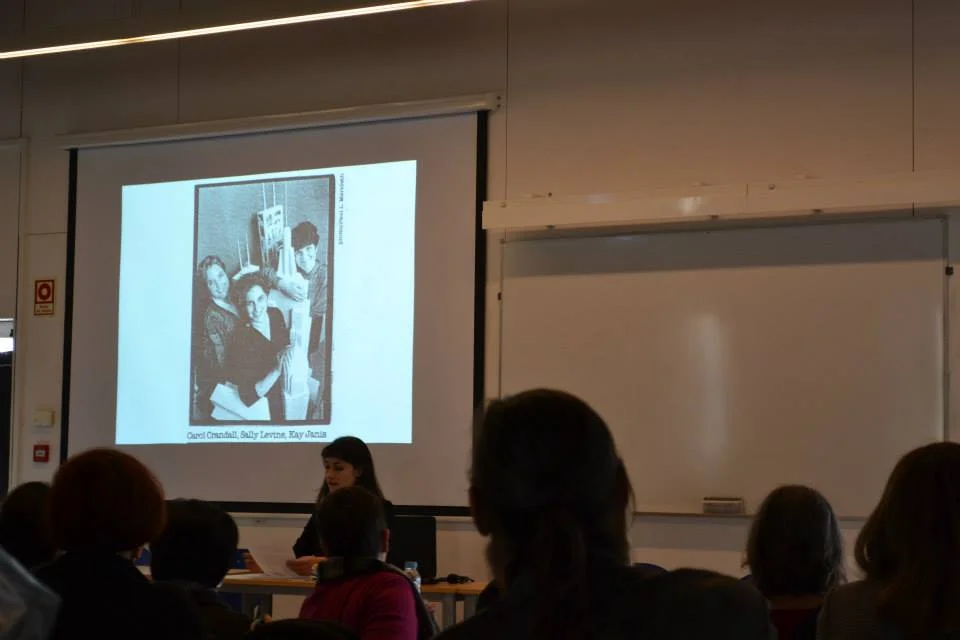
The content of each presentation was energizing, provocative and ranging in a broad spectrum of topics; Works and achievements of architects Lina Bo Bardi, Ray Eames, Eileen Gray; Niche feminist activism by a Chicago group called CARYATIDS; Cinematic influences on the image of Architects, The unique tension surrounding Iranian Women's Parks, recruiting and teaching architecture to Saudi Arabian women and a call to action for forming a Matrices network of research, best practices, and dialogue.

The opening keynote speaker was Spanish Architect Ariadna Cantis, whose business model expands beyond traditional practice and parallels current discussion of "Architecture And" conversations; expanding the design reach of our profession into communications, graphics, user experience, metrics, and social media. 

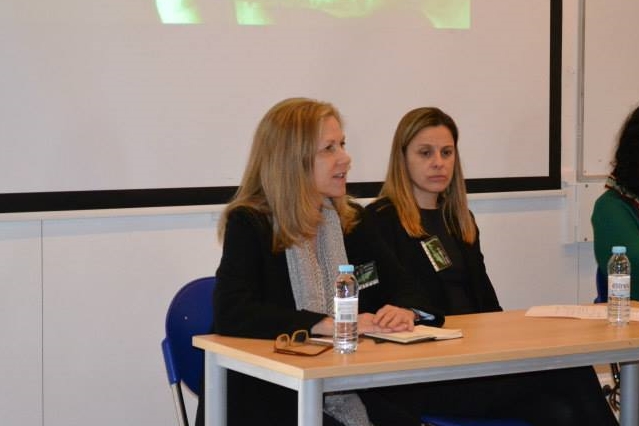
Martha Thorne, Executive Director of The Pritzer Prize was also present as a participant on a featured roundtable discussion on Matrices, the theme of the conference. She spoke of the need to focus on 3 key areas for continuing the movement for women in architecture. Creation of Alliances, leveraging Technology, and raising a call to Action would be critical to making an impact for the representation and recognition of women in architecture going forward.

Jane Rendell

Jane Rendell

Jane Rendell was the closing Keynote presenter who spoke of her newest work in publication "Site Writings" which continues to explore new interdisciplinary concepts and processes such as ‘critical spatial practice’. Ms. Rendell, a professor at Bartlett School of Architecture at University College of London, is also a writer, art critic and architectural historian/theorist/designer, whose work explores interdisciplinary intersections between architecture, art, feminism and psychoanalysis. 

Each day's summary is available below via Storify.

Matrices 2GA: Day 1 Summary, 3/18

Matrices 2GA: Day 2 Summary, 3/19

Matrices 2GA: Day 3 Summary, 3/20

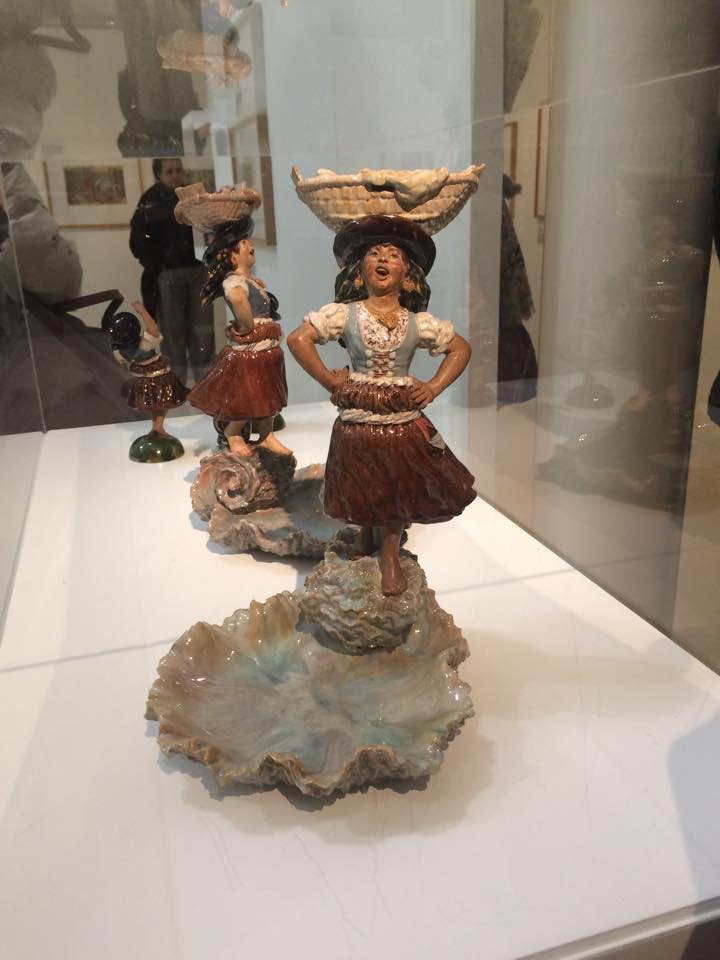
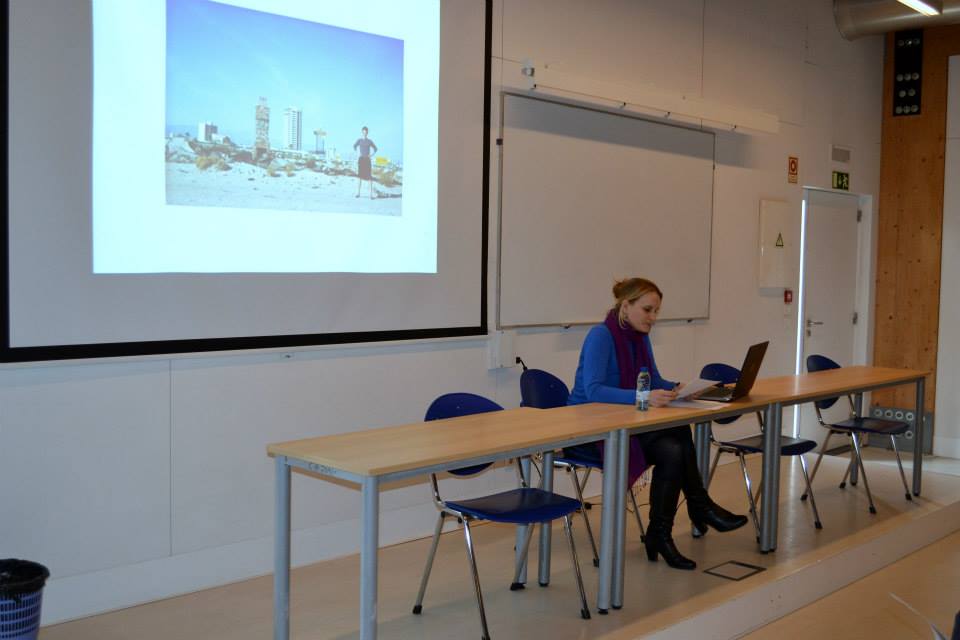
Conference sessions were complimented by 2 nearby museum exhibits featuring the Varina, an iconic Portuguese Fisherwoman, representing strength and resolve of spirited women in Lisbon's rich history. The spirit of the Varina is evident in her proud posture which reminded me of Denise Scott Brown's widely known pose in Las Vegas. Similarly, Varina is alive in the leadership of our gracious hosts of the conference, Patricia Santos Pedrosa, Maria Joao Matos, and Eliana Sousa Santos and their colleagues at LABART Lusofona who ambitiously sought to continue a much needed conversation on architecture and gender in an international forum.


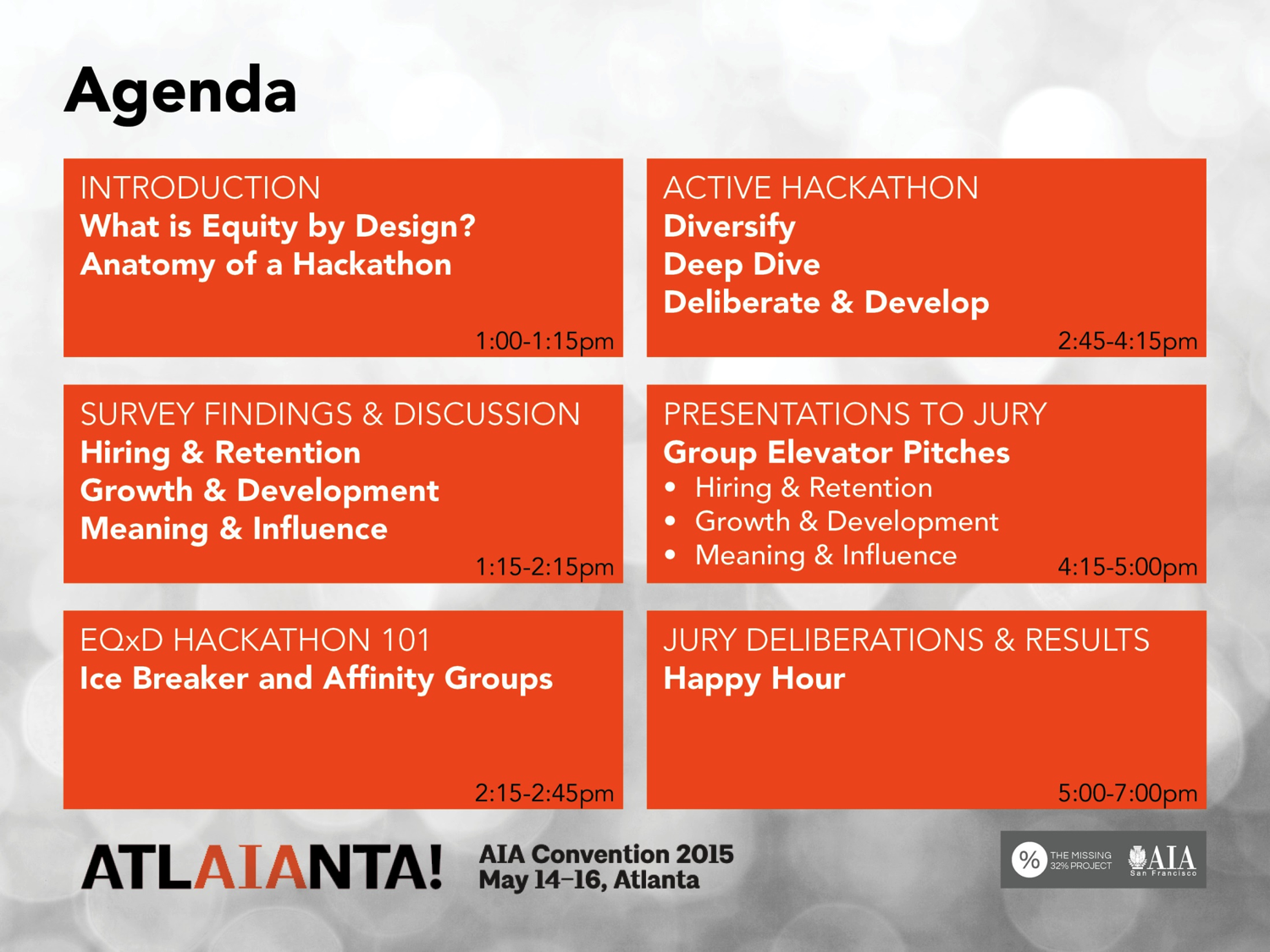
(WE310) Equity by Design Hackathon @AIA National Convention Atlanta!

Equity in Architecture is a call to action for both women and men to realize the goal of equitable practice in order to attract and retain talent, advance and sustain the profession, and communicate the value of architectural design to society. This event is open to everyone and has relevant learning objectives for all Architects.

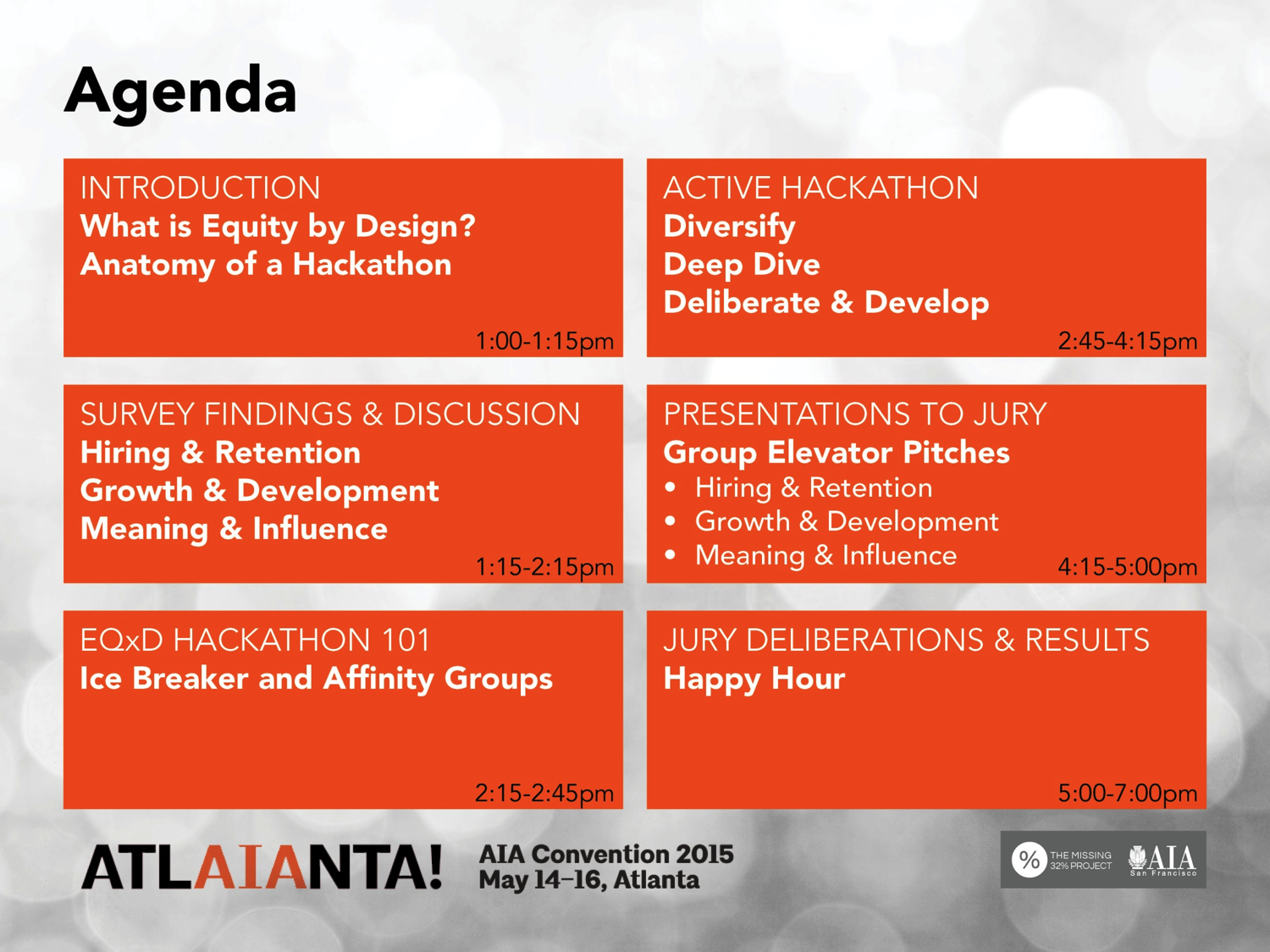
Join us on 5/13 1pm-5pm for the most energizing half-day workshop inspired by the sold-out 2014 symposium, Equity by Design: Knowledge, Discussion, Action! We will begin the day by reviewing a full report of key findings from the 2014 Equity in Architecture Survey topics: Hiring and Retention, Growth and Development, Meaning and Influence, followed by interactive conversations about the pinch points that affect talent retention in Architecture. 

Agenda.png

Hackathon! The second part of the afternoon will feature the first AIA Convention "mini-Hackathon". What is a Hackathon? Very similar in format to a design charrette, using this rapid prototyping format will leverage your Design Thinking skills to propose actionable initiatives and best practices for talent recruitment, career advancement, and building the business case for equity. This video by Daylight via Vimeo demonstrates the process.

Finally, you and your group will present a 5 minute "pitch" of your proposed equity initiative to a panel of judges. Pitches will be rated with final equity initiatives being featured in blog posts and social media. Sign up for WE310 Equity by Design as pre-convention during Convention Registration. Ask your firm or local AIA Chapter to sponsor your attendance and bring back this valuable knowledge to affect change! 

HAPPY HOUR and JURY RESULTS at STUDIO No. 7. 

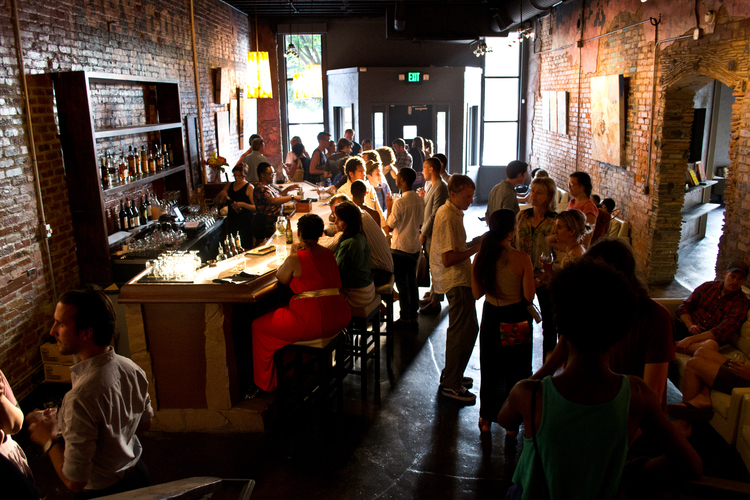
Following the workshop, Hackathon workshop participants will be invited to a complimentary Happy Hour 5:30pm-7:30pm at Studio No. 7 for Jury deliberations and Awards. If you can't make the WE310 Workshop, we will have registration to attend Happy Hour event so that you can catch up on the highlights of the Hackathon! Proceeds beyond costs of the event go to funding the 2016 Equity in Architecture Survey.

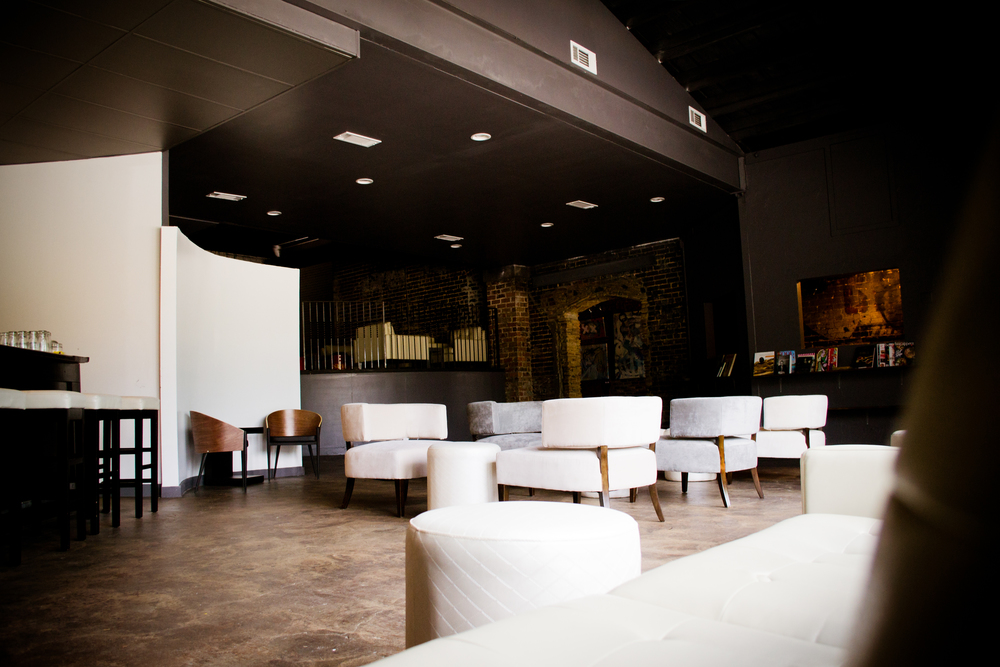
Studio No. 7 - 393 Marietta Street N.W. Atlanta, GA 30313

Happy Hour (only) registration includes networking, a recap of the EQxD Hackathon, Jury results and award announcements accompanied by an assortment of wines and appetizers inspired by Latin American and Asian cuisine that is seasonal and prepared with craft and care. If you register with AIA for the WE310 5/13 workshop, then Happy Hour is included.


#EQxDNYC: Recap of Friday 2/27 Presentation at Center for Architecture NY

By Rosa Sheng, AIA, LEED AP BD+C

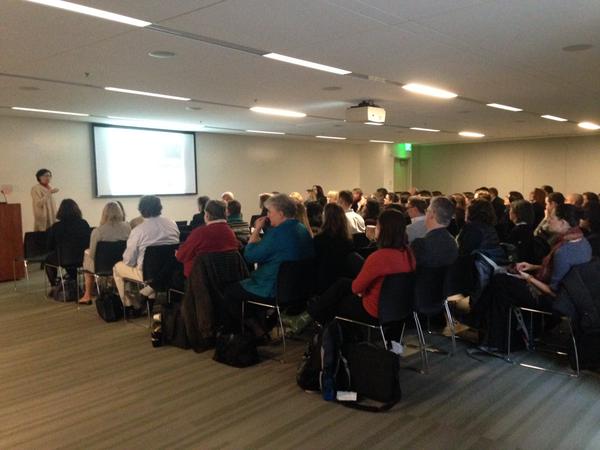
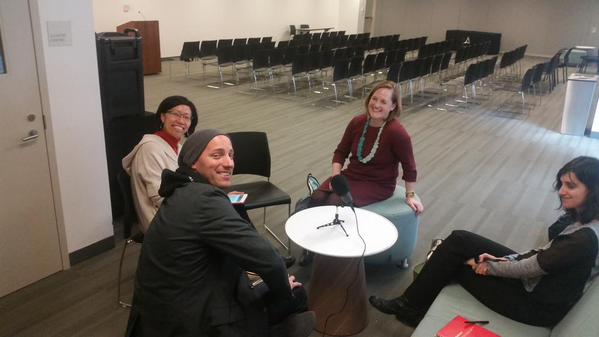
It was 19 degrees and 7:30am (4:30am West Coast Time!) when I arrived at the Center for Architecture in New York City on Friday before the presentation. By 8:15, we had a packed room of approximately 80+ Architects and Designers interested in the Equity in Architecture Survey Findings and Equity by Design Movement with Initiatives for establishing equitable practice in 2015.

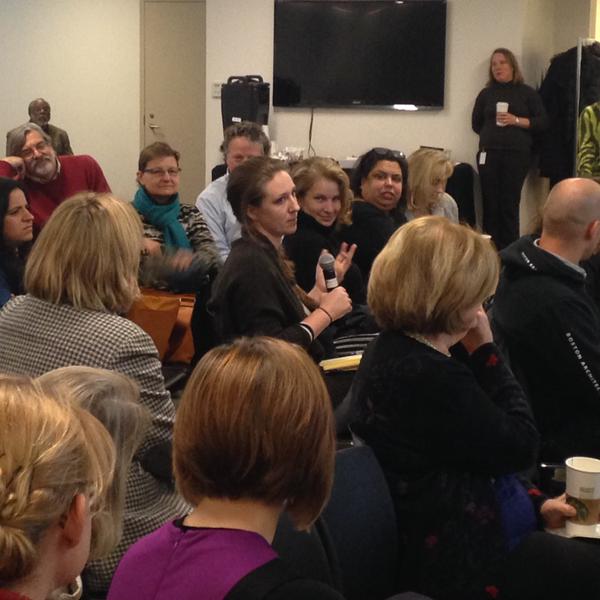
Following the presentation, there was a great discussion and what we hope will be the beginning of a collaborative effort to create an Alliance of like minded organizations for Equity; Women in Architecture Groups, Diversity Groups, Equitable and Fair Practice Groups. We have composed a Storify of live Tweets from the day for a recap of topics covered.

THANKS! A special heartfelt thanks to our hosts at Center for Architecture New York, AIA Diversity NYC, WIA NYC and all our live tweeters including above mentioned hosts, attendees, Architexx and especially Heather McKinstry! We are grateful for all who came out so early in the morning (including men!)

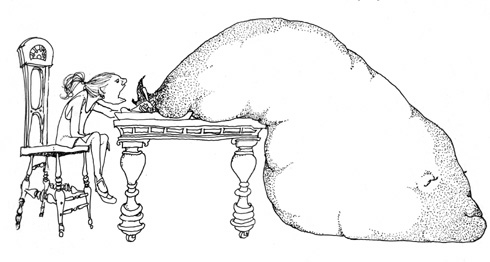
SO WHAT'S NEXT? HOW CAN YOU HELP? Many wanted to jump in and asked what they could do to forward the EQxD Movement.  Like the Shel Silverstein "Melinda Mae" Whale Story, we can eat the Equity Whale faster if we have many forks and hungry contributors. You can read our blog post of 15 ways to Jumpstart Equity in Practice. Please send us a message in the "Contact" portion of our website with your suggestions and ideas for ACTION! Forward relevant articles to us. Get a Twitter Account. Write a guest blog post about an Equity topic. Bite for Bite, we will eat this Whale! See our list of events for 2015 and encourage people to attend! 

 MAKE IT HAPPEN! The best program yet to come is our 1/2 day workshop WE310 Equity By Design on Wednesday 5/13 1-5pm followed by and Happy Hour for networking and Alliance building in Atlanta. As your firm or AIA chapter to sponsor your registration to bring back the learning!

EQxD "U" Wrkshp 1: "Satisfaction" 3/12 @AIASF (Meet the Panelists!)

Satisfaction: Workplace Innovations to Attract, Develop and Keep Talent.

March 12th, 2015 @AIASF 130 Sutter Street, San Francisco 6pm-8:30pm

Please join us to get "Satisfaction" in the 1st of 4 highly engaging EQxD workshops that explore workplace topics we experience but rarely discuss.  

We invited 4 Bay Area Principals of successful design firms that each have a unique story to tell about what it takes to attract and keep top talent and run an award winning design practice; From a practice that honors staff with biannual urban architectural retreats to a firm founded and largely owned by women with diverse and flexible work cultures. From a firm forging a design first ethos with meaningful work that respects employee needs to a successful small studio that has joined forces with a larger firm. 

What is the secret sauce for job satisfaction? How does this factor into talent retention in successful firms? Is it having a worker-centered culture or diversity in talent? Working on meaningful design projects ? Having a transparent promotion policy? Role models in leadership positions? High salary? Meaningful work?

EARN 2 AIA CEU's 


MEET THE SATISFACTION PANELISTS! (and the amazing firms they lead)

Peter-Larsen-394921-220.jpg

Peter Larsen, AIA

Principal, Aidlin Darling Design

Peter Larsen has been a designer with Aidlin Darling Design since 1999, and became a Principal of the firm in 2012.  His design work ranges from large-scale multi-building projects on remote land parcels to handcrafted furniture and fixture design at the intimate scale of the human body. He has focused on developing sustainable building strategies, including LEED-platinum and Net Zero Energy projects, as well as taken on leadership roles in the management of the Aidlin Darling Design studio and team.

Aidlin Darling Design rigorously explores design across a wide range of scales, programs and disciplines with the goal of enabling poetic, sustainable and appropriate site- and client-specific solutions. The firm has been awarded over 100 regional, national and international design awards including an AIA/COTE Top Ten + Award, a National Design Award by the Smithsonian’s Cooper-Hewitt National Design Museum, an international Civic Trust Award, a National AIA Honor Award, a National ASLA Honor Award for landscape architecture, two National IIDA Interior Design Awards, multiple American Architecture Awards from the Chicago Athenaeum, and a James Beard Award.


R_131104_N73_bestraster.jpg

Melinda Rosenberg, Assoc. AIA, SHRM

Partner, Director of Human Resources, Office Manager,  WRNS Studio

Melinda has always been curious about understanding and shaping culture. She arrived at WRNS in 2005 and helped open their doors, ushering in the vibrant, creative, diverse and hard-working ethos that has helped WRNS become the nationally recognized design firm it is today. WRNS is truly its people, and Melinda has recruited and helped them retain the best. Since day one, they've attracted an incredibly talented group of designers and professionals who are committed to good design, social and environmental stewardship and critical discourse. With no shortage of parties and social outings, Melinda knows how to balance their culture of hard work with play.

WRNS Studio is a 75-person architecture firm with offices in San Francisco and Honolulu. Founded in 2005 with a design-first ethos, projects range in scale and typology from Adobe's new campus in Utah to small community centers here in San Francisco for the Trust for Public Land. Place, identity, context, technical innovation and resource conservation compel their every move. Recent clients include Airbnb, Dolby, UCSF, Stanford, the San Francisco Unified School District, and numerous private developers.

Janet Tam, AIA, LEED AP BD+C

Principal, Noll & Tam

Janet Tam, AIA, is a founding partner of Noll & Tam Architects in Berkeley, CA. She holds a Master’s degree in Architecture from UC Berkeley and is a member of The American Institute of Architects, Society of College and University Planners, and California Parks and Recreation Society. A LEED Accredited Professional (BD+C), Janet is noted for her ability to analyze complex programs and synthesize all components into aesthetically pleasing architectural design. She has special expertise in facilitating consensus among diverse interest groups, particularly as part of an organized community process.

Noll & Tam Architects’ work reflects a dedication to the particular people and places that make our projects unique. Christopher Noll and Janet Tam founded the firm in 1992 to establish a talented studio of architects that pursued the ideal of active community involvement and environmentally responsive design. Today, we have 30 creative and energetic staff members, including 16 LEED Accredited Professionals with 67% women in firm leadership.

Anne Torney, AIA, LEED AP

Principal, Mithun

Anne Torney is an architect who has made transit-oriented affordable housing, urban place-making and social equity the focus of her work for more than 20 years. She is a Board member at Mithun, and manager of the Mithun's San Francisco office. Prior to joining Mithun, Anne was Principal and Director of Housing at the multi-disciplinary San-Francisco-based architectural design firm Daniel Solomon Design Partners, where she has led award-winning projects in San Francisco, San Jose, Los Angeles, and Seattle, WA. She brings a deep commitment to community outreach and sustainable design to all her projects, which range from supportive communities for the formerly homeless, to the revitalization of isolated public housing sites into walkable, mixed-use and mixed-income communities. Her sensitivity to client and user objectives animates her leadership of complex projects with multi-layered client and consultant teams.

Mithun’s architects, interior designers, landscape architects, urban designers and planners are working to inspire a sustainable world through leadership, innovation and integrated design. A national leader in sustainable design and urbanism since 1949, we look for and find connections — the universal in the specific, and ways to balance the human and natural worlds. Our work is an innovative blend of design, technology and nature to create places that excel in beauty, spirit and performance. Our integrated teams understand global issues and help to drive the best return on investments — economically, socially, environmentally and artistically. Making these connections, we deliver enduring value that raises the quality of life for individuals and entire communities.


EQxD Event Sponsorship

We are seeking sponsors for our ambitious 2015 Equity by Design Initiatives. If you are interested in supporting our goals for achieving equitable practice in architecture, please contact us to learn more about the multiple benefits for your support. Among other benefits, Sponsors get designated tickets for each of the 4 workshops in 2015 based on your level of support. So make the most of your sponsorship by contacting us early! 

We would like to thank Mithun and HDR Architecture for being our 1st sponsors of 2015! Logo recognition coming shortly!


Women.Wikipedia.Design - Make it Write on 3/8

Women. Wikipedia.Design – Help Architexx rewrite history on International Women’s Day March 8, 2015 – join Women Wikipedia Design.

ArchiteXX invites us all to help write into Wikipedia women designers, architects and all those involved in the creation of our built environment. They are seeking to create a global effort in order to have the most diverse and wide ranging of women written in on this day. With so many women to write about, they hope that this will be the beginning of an annual event.

What

Women Wikipedia Design is a global call for people to contribute Wikipedia entries about women in architecture, urbanism, design and construction. It aims to address the bias and underrepresentation of women in these disciplines and in the collective canon of notable figures online.

Join us on March 8 to write in those whose work has impacted you.

Why

Despina Stratigakos starts her excellent essay Unforgetting Women Architects by reminding us that ‘History is not a simple meritocracy: it is a narrative of the past written and revised — or not written at all — by people with agendas.” She ends with a call for positive action.

Contributing to Wikipedia … represents a real opportunity to provide … a more accurate perception of women’s participation in architecture.

There is also something very satisfying about writing a forgotten figure — a professional ancestor, maybe even a pioneer — into history. And as the long and rich history of women in architecture becomes more broadly known, it will become that much harder to ignore them, whether in the classroom, the museum, or on prize juries.

As Sue Gardner of Wikimedia put it, “Wikipedia will only contain ‘the sum of all human knowledge’ if its editors are as diverse as the population itself: you can help make that happen. And I can’t think of anything more important to do, than that.”

How

Architexx has created a help sheet including wiki entry protocol and citing criteria to help participants navigate the complexities of Wikipedia writing and editing. Download the Wikibomb_Instructions here.

Start by developing a list of women you would like to write in, collecting information and references you will be citing as well as any images to include.

Sign up to the Architexx list so they know how many women will be written about, and who.

You might also want to read the advice from the Anita Borg Institute How to Edit Wikipedia: Lessons from a Female Contributor.

When

8 March, International Women’s Day

Where

You can contribute from anywhere, but you might also consider hosting a wiki writing party in your area. Let Architexx know if you are interested.

Getting started

Please sign up via this link to participate

ARCHITEXX signup sheet, to help crowdsource possible subjects, references and resources, and to help avoid duplication. 


Please take a few minutes to add your suggestions and to indicate if you are able to write yourself. Please also encourage your colleagues to participate.

If you are keen to write some entries, we recommend that you start researching and collecting material ahead of time, so that you are all set to go with it before March 8.

We also advise you to each take on a small number of entries – writing Wikipedia entries involves time and effort, so it is better to do a couple well. And if lots of people do one or two we can make a real difference.

If you would like to self-organise a Wikipedia writing ‘party’ in your area please do! 

AIA YAF EQxD #yafchat Recap

If you missed the AIA YAF (short for AIA Young Architects Forum) monthly Twitter #yafchat today, you can catch up with Evelyn Lee's Storify Recap. We are thrilled that AIA YAF has chosen the worthy topic of Equity in Architecture for discussion! Much thanks to all who have come to the table, hungry to take a bite out of the Whale with us. If you are interested in learning more, please visit research early findings (full report coming shortly!) and blog posts and reading lists that prepare you for the discussion to affect change at every level! Equity by Design will also be featured in the April Issue of YAF Connections! Stay tuned!

When the Dog Bites and Bee Stings; Favorite Things

By Rosa Sheng, AIA, LEED AP BD+C

Raindrops on roses, and whiskers on kittens...

When Bob Borson "Life of an Architect" sent out the topic "Favorite Things" for the 5th edition of the #ArchiTalks blog series, I couldn't help by default to humming the epic and catchy tune from the Sound of Music. And thus, I am speaking of "favorite things" from this point of reference; In a difficult situation, "I simply remember my favorite things, and then I don't feel so bad." (in my best Julie Andrews voice) which is fitting with Equity by Design's mission and movement. 

At the EQxD Symposium this past October, keynote speaker Stew Friedman shared his book "Leading the Life You Want" and the secret sauce of successful leaders. "I have found that those who can harness the passion and powers of various parts of their lives and bring them together to achieve what I call four-way wins..." Stew said.  He further asked us to think about work and life not in the context of separate domains that required “balance”, but rather focus on the integration of the four areas of our life (Work/School (W), Home/Family (H), Community/Society (C), Self/Spirituality (S)) under the following goals: 1. Be Real. 2. Be Whole 3. Be Innovative. Each of these principles that Stew recommends seeks to cultivate a life in which our values, professional and social contributions are working in harmony rather than pulling us in opposite directions; perhaps not every minute of every day, but consistently over the course of our lives.

So while life can be incredibly busy, complicated and challenging; these are a “few” of my favorite things that support the theme of “leading the life you want”, finding respite and comfort in "things" that INSPIRE% me and sharing a bit of my "authentic-self" with you.

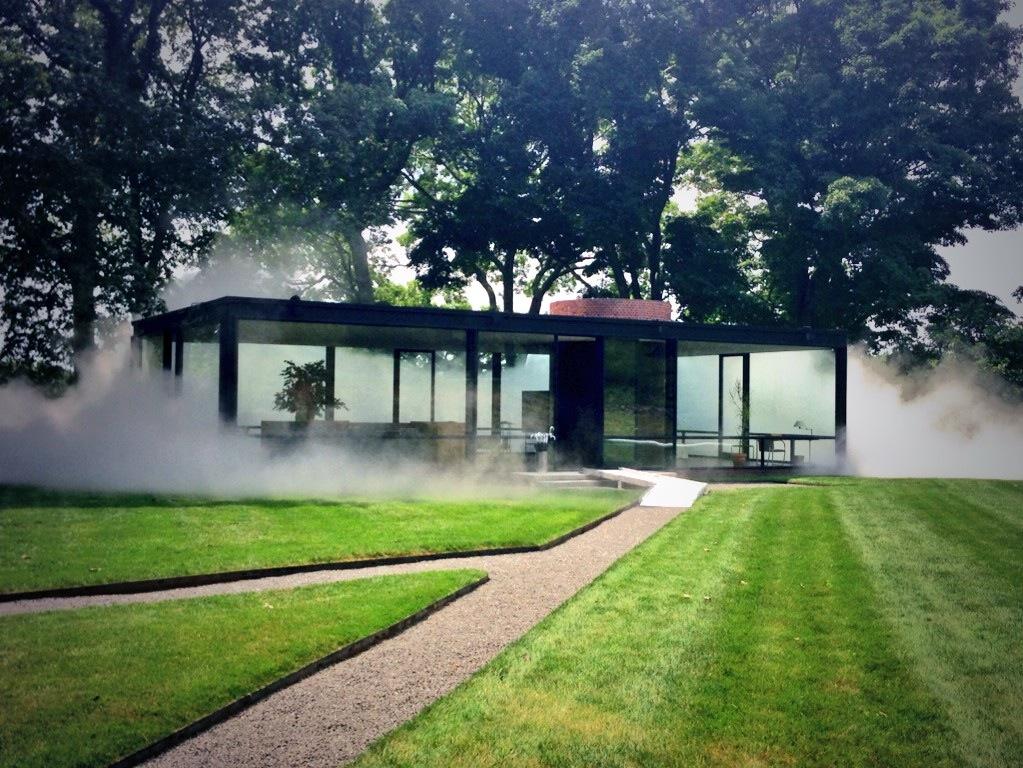
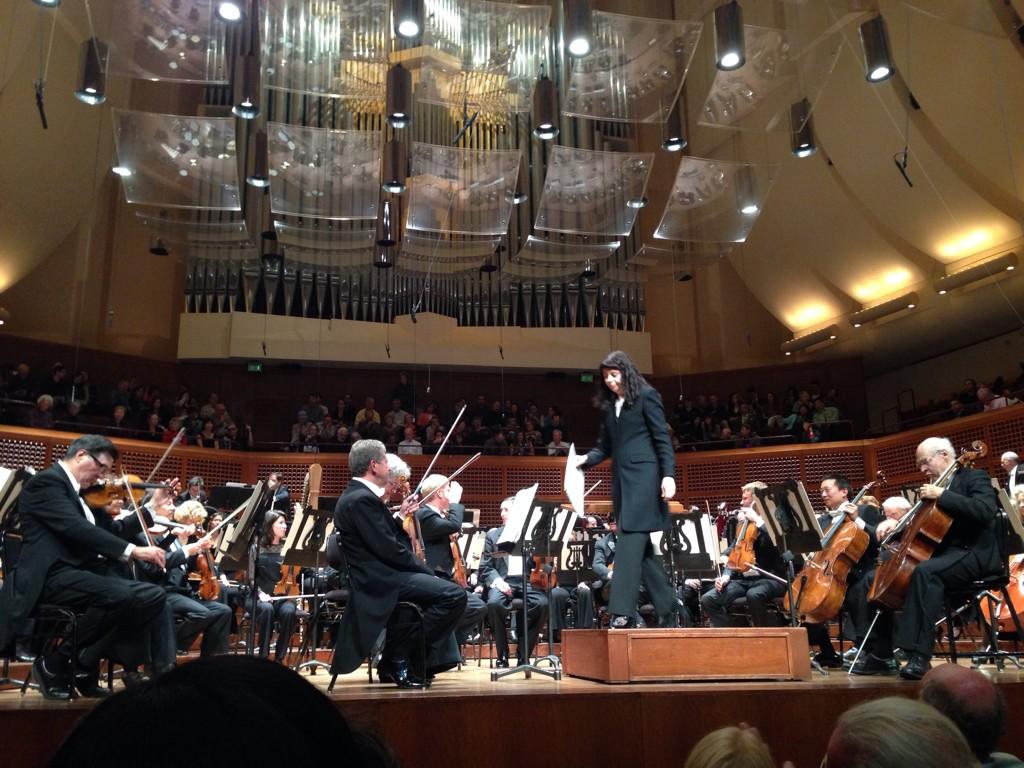
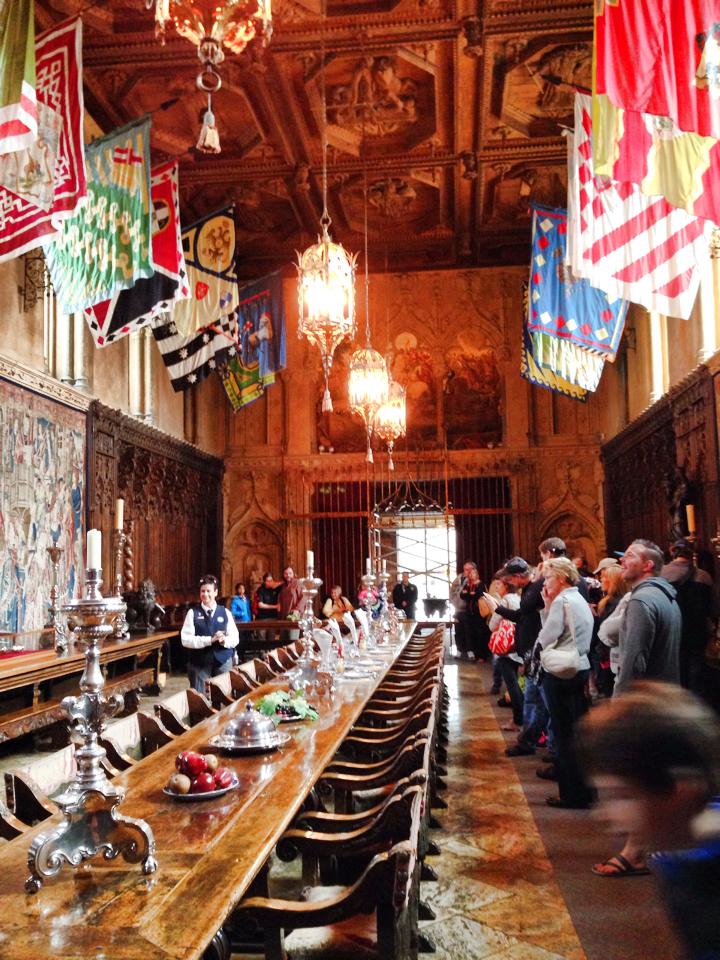
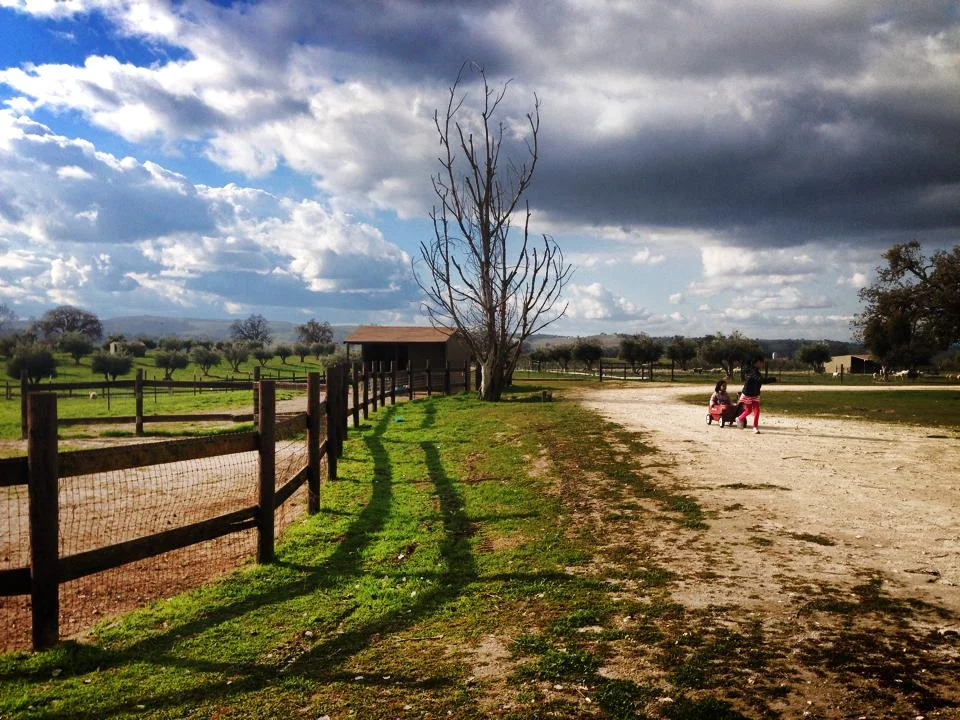
“The Finer Things Club” – Inspired by an episode of TV's “The Office” and similar in premise to a bucket list challenge, this idea of seeking out new and extraordinary experiences in life while consciously allowing guilt-free “leisure time” to be part of the norm. Approximately every other month, there is the chance to explore something new with my spouse; symphony night, a special dinner at a new restaurant, Flamenco dancing, touring Philip Johnson’s Glass House and Julia Morgan’s Hearst Castle, a Tony award winning Broadway musical, or taking a trip to a new destination, etc. These are the experiences that renew the spirit and energize with new passion and creativity. So work hard, but "play" harder.


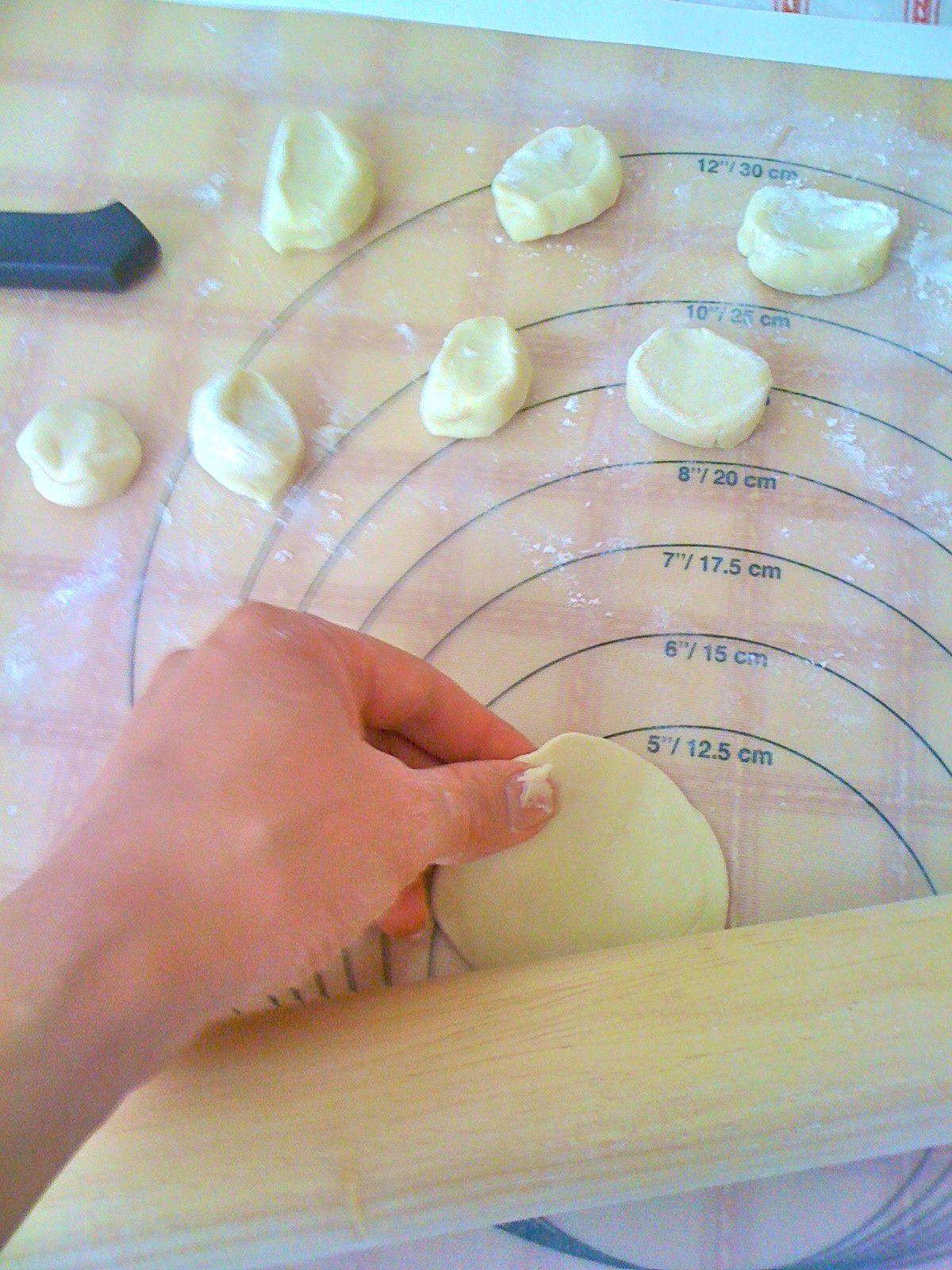
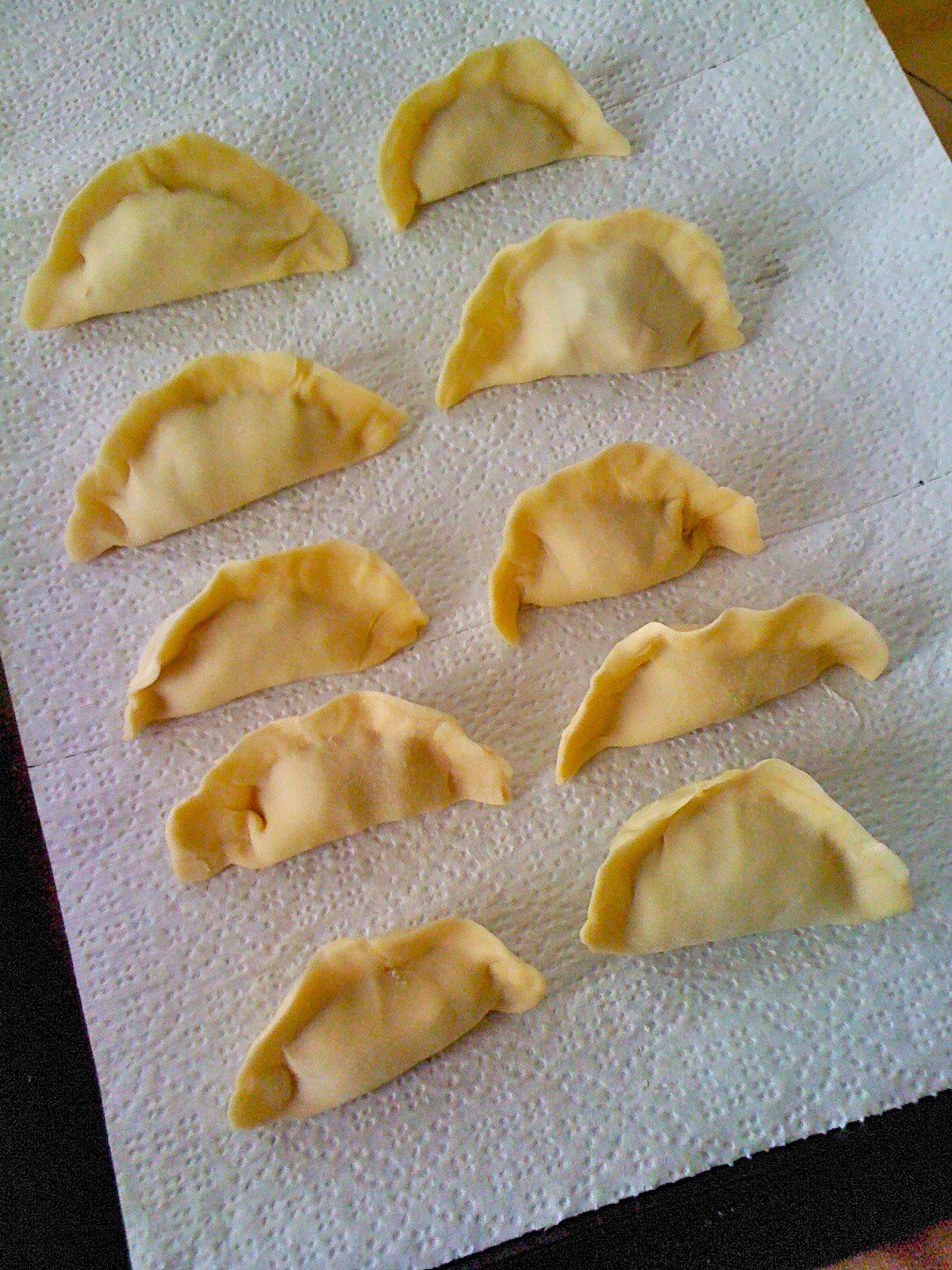
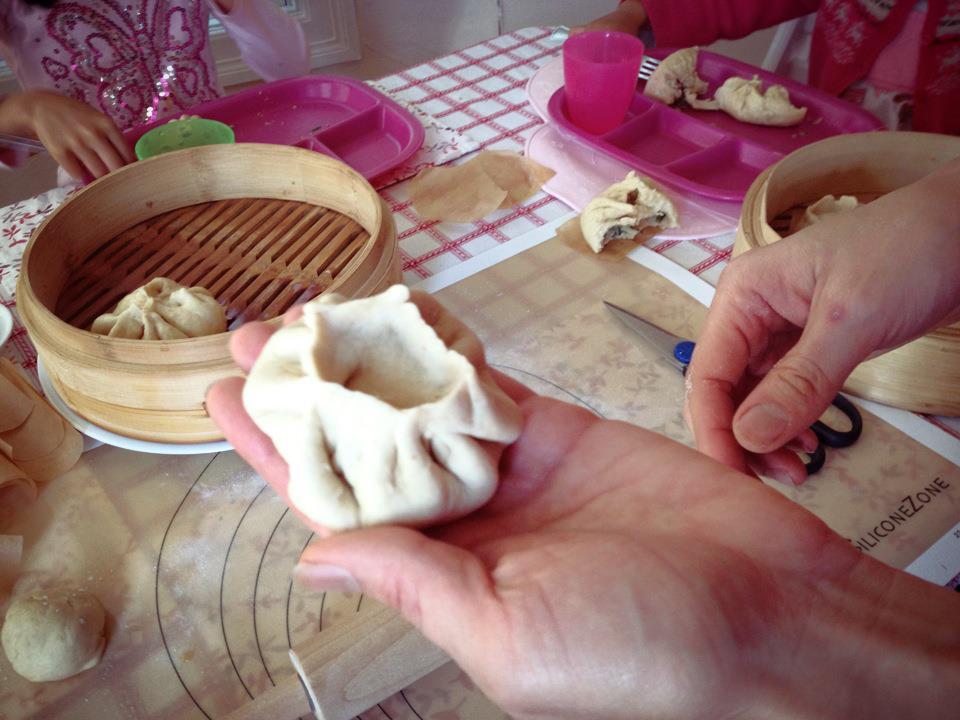
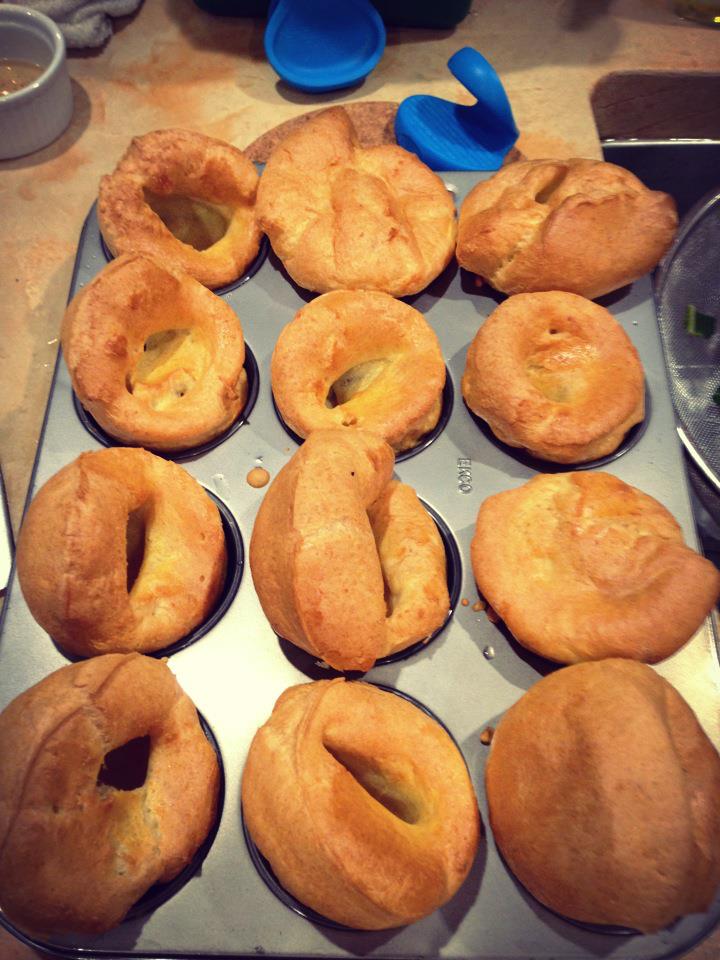
Culinary Mash-Up Things - We are what we eat, right? I personally find energy and inspiration in exploring all that is "epicurious" and it's one of the main reasons I always felt that California is where I was meant to live. Food has always been an important part of my family growing up and as I have been educated and enlightened by the likes of Michael Pollen and cohorts to respect the way that it is grown, sourced, gathered, prepared, and eaten. So I started a food blog last year to document recipes in exploring healthier food alternatives. I have also posted them to my pinterest board if you would like to explore and trade recipes. I have fell off the wagon so to speak in the documentation of recipes, but have continued to explore food creation including kimchi and pickling, homemade dumplings and "bao", and even a yorkshire pudding.

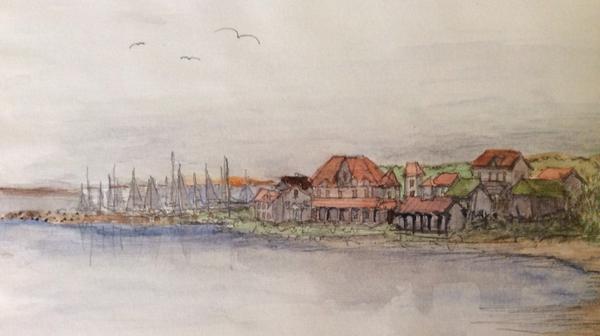
Sketching Things– I have always had a love of sketching and watercoloring that started in college. My first job after graduating from Architecture school was as a manual renderer for retail developments armed with Prismacolor pencils, my T-square and entourage tracing templates. When we first moved the office to California, prior to getting computers, I was hand drawing presentation sketches for our client meetings. Today with all the compounded responsibilities of managing multiple projects, a quiet time to sketch has become a treasured event for documenting vacation travel.

I have mentioned the idea of "Sketchmob" to some. What if we granted ourselves some leisure time to sketch during the middle of the day, (maybe at lunchtime), forming a critical mass via social media with other like-minded architects thirsting for time to sketch? We get to sketch, some sunlight and fresh air away from our screens and desks. They (the public) would get the opportunity to observe our sketching and inquire about our activity and purpose. We tried this concept at the EQxD Symposium and it seamed to have some resonance.

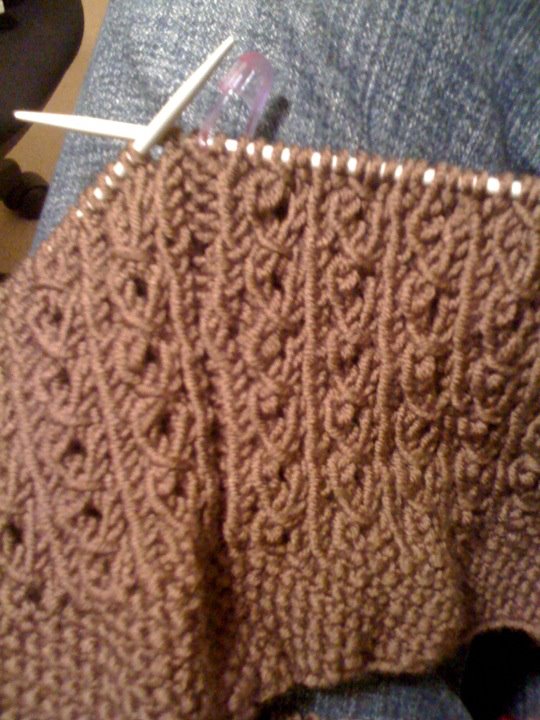
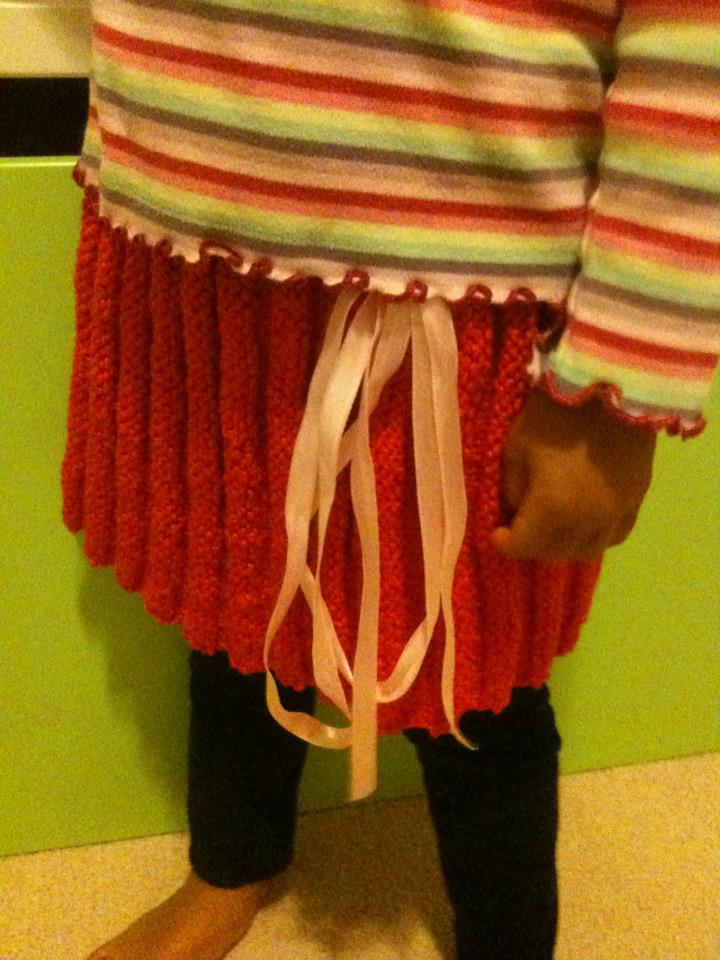
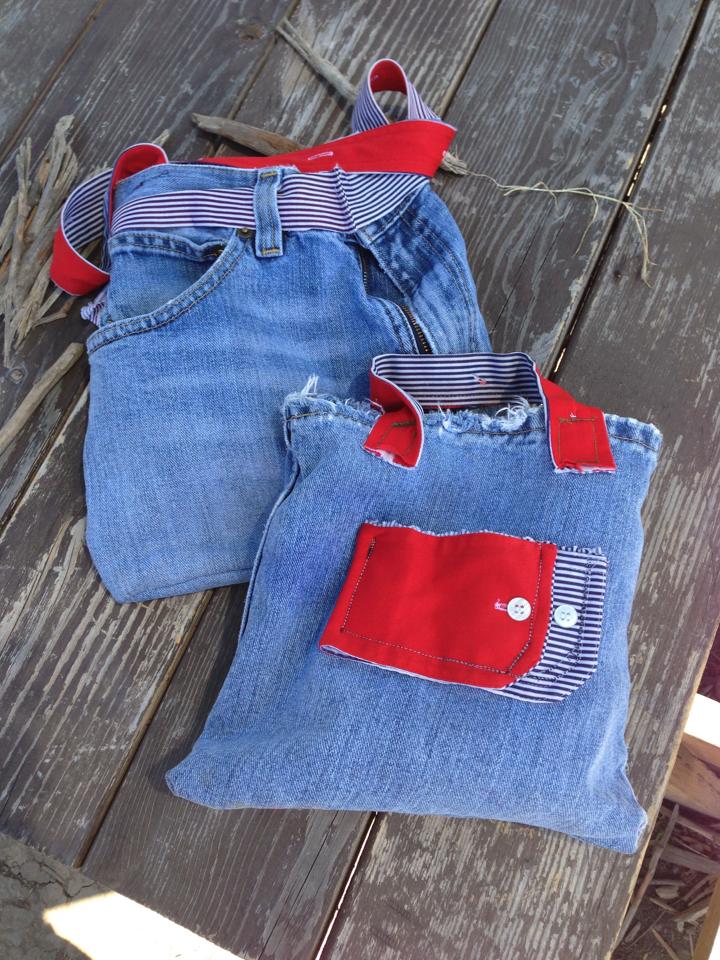
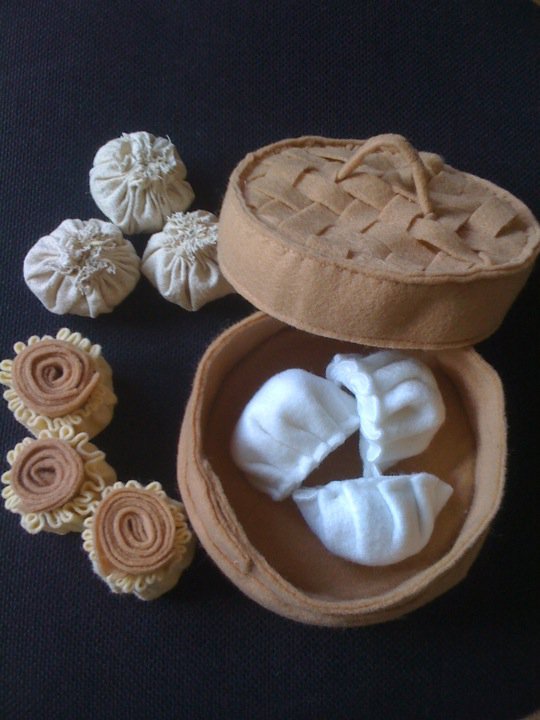
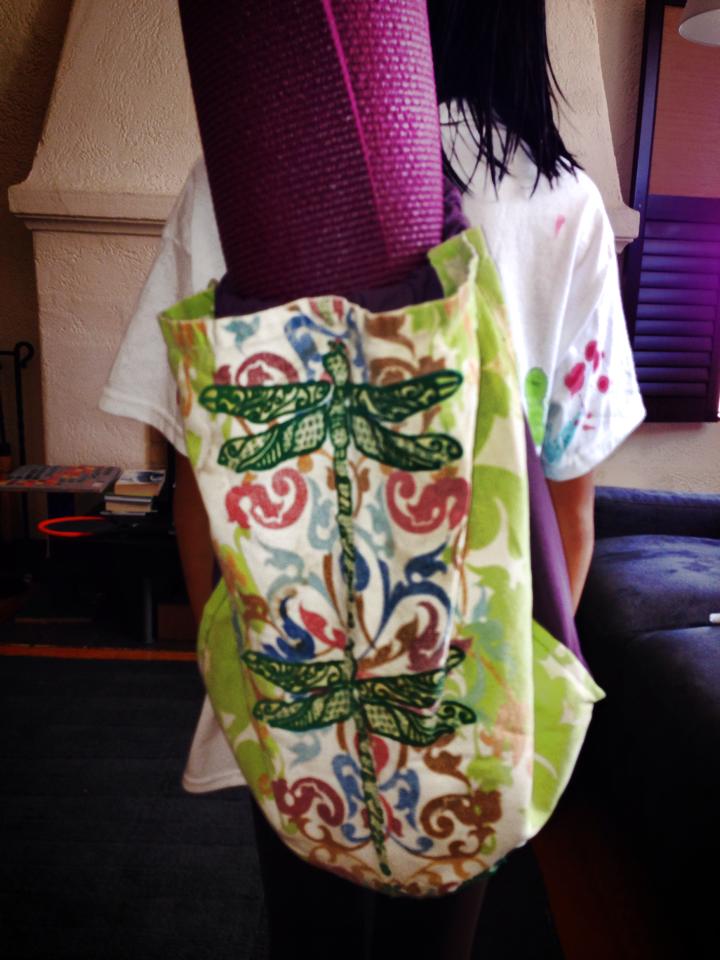
Making Things - The manifestation of Architecture is a long process where the fruits of your design/detailing/specification/documentation labor take awhile (usually a multi-year process). So to satiate my desire for the immediate satisfaction of making things, I have many "hobbies" that include felting, knitting, raku pottery, graphic and web design. Thru the active process of making smaller things, I get to beta test design and construction on a micro level that often times forms lessons learned for macro level design in the Architectural built form.


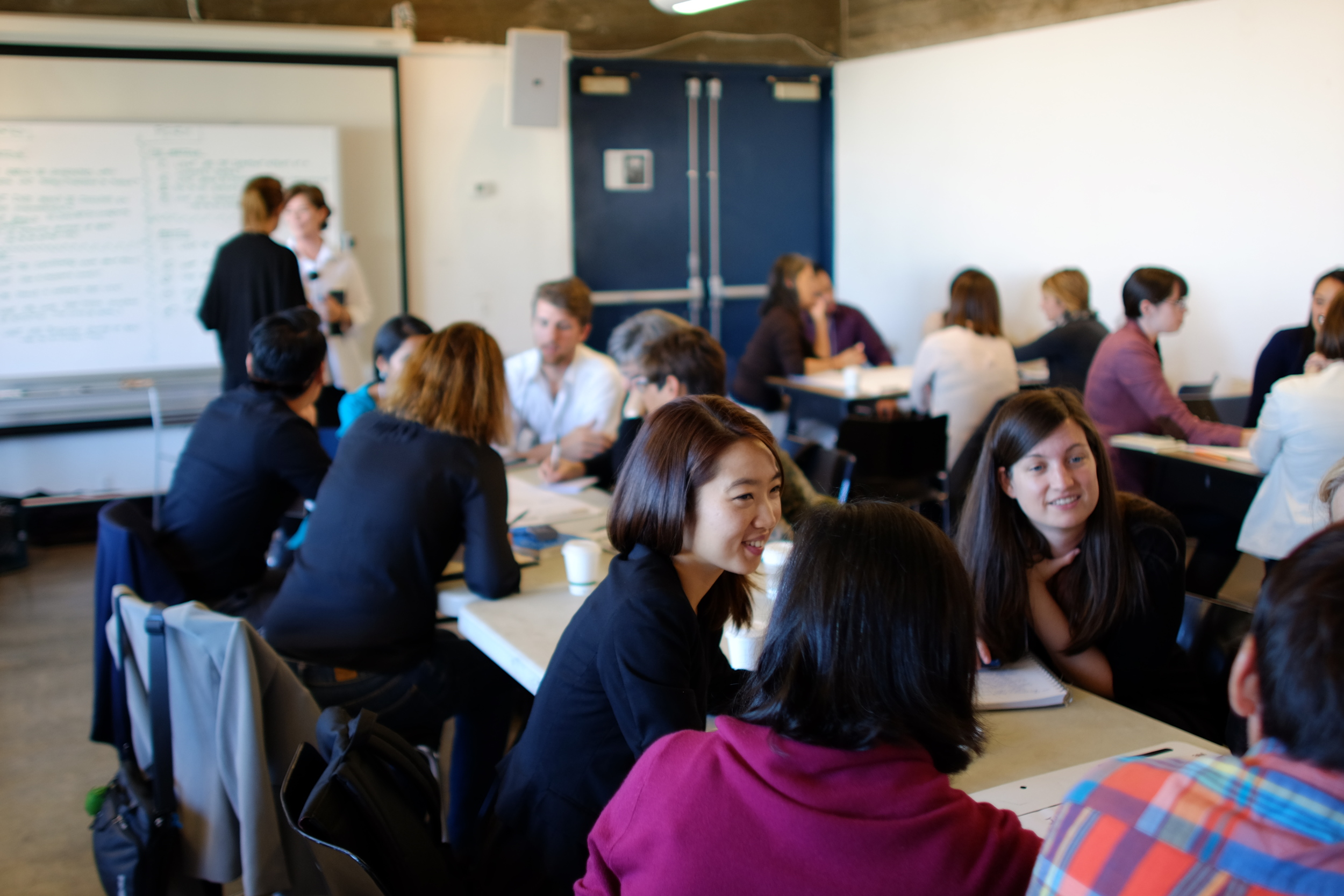
Innovating Things - I strive to innovate in all parts of my life. At times it has gotten me into trouble to ask too often "Why not?". But for most of my professional and personal life, I have been rewarded for remaining committed to curiosity. So I seek to find activities that will inspire and support creativity, innovative thinking and action. To that end, I attended my first Hackathon last year at the SCUP Pacific Regional Conference in Los Angeles that was conceived by Lilian Asperin-Clyman, my co-chair for The Missing 32% Project and EQxD. The premise of the Hackathon was to solve a series of challenges in a very unconventional way. We had 8 hours, we formed 4 teams. We were given a problem statement and given the authority to think outside the proverbial box. I have to say that the Hackathon format greatly stimulated parts of my brain that felt like cobwebs had taken over. Many of the ideas that have developed for EQxD have been inspired by the intense creative thinking in a compressed amount of time because of that event. We are excited to offer a mini-hackathon at AIA convention this year in Atlanta on Wednesday 5/13 from 1-5pm.

Reading Things - I have always loved reading. When we started our family, I was committed to passing that love to my children. We try to have reading time as an evening ritual before the kids head off to bed. Its a precious time for bonding, literacy enhancement, and discovery unfold; often there are more questions than I can explain about life.  This curated bibliography includes my childhood favorites that I have enjoyed re-discovering with my kids. I am surprised at how much the lessons from those children's stories are still true to our adult lives and they have greatly informed the work of EQxD as well.

  1. Melinda Mae - If the Sidewalk Ends by Shel Silverstein
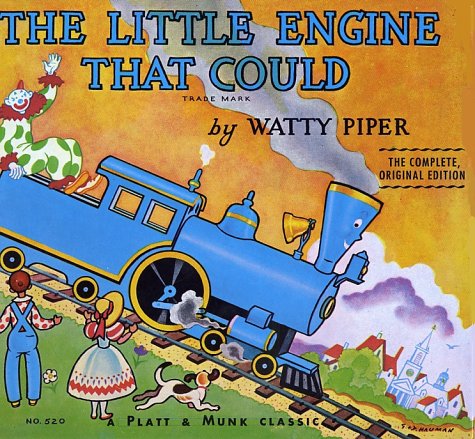
  2. The Little Blue Engine that Could by Watty Piper
  3. Star Belly Sneetches by Dr. Suess
  4. Iggy Peck the Architect and Rosie Reveer the Engiener by Andrea Beaty
  5. Anne of Green Gables Series by Budge Wilson
  6. The Secret Garden by Frances Hodgson Burnett
  7. Uno's Garden by Graeme Base
  8. What do people do all day? by Richard Scarry


If you would like to hear more favorite things from other #Architalks Architects, you can find them here: 

Bob Borson – Life of An Architect
@bobborson
My Favorite Things … again

Matthew Stanfield – FiELD9: architecture
@FiELD9arch
9 Things i Like

Marica McKeel – Studio MM
@ArchitectMM
A Few of My Favorite Things

Jeff Echols – Architect Of The Internet
@Jeff_Echols
How I Get Through My Day: My Favorite Things

Lee Calisti, AIA – Think Architect
@LeeCalisti
favorite things (at least a few)

Evan Troxel – Archispeak Podcast / TRXL
@etroxel
My Favorite Things

Lora Teagarden – L² Design, LLC
@L2DesignLLC
My Favorite Things: the pieces of my story

Cormac Phalen – Cormac Phalen
@archy_type
Favorite Things

Michele Grace Hottel – Michele Grace Hottel, Architect
@mghottel
favorite things… a few of my favorite things…

Meghana Joshi – IRA Consultants, LLC
@MeghanaIRA
These are a few of my favorite things..

Amy Kalar - ArchiMom
@AmyKalar
My 10 Favorite Things

Mark R. LePage - Entrepreneur Architect
@EntreArchitect
Six Simple Acts that Make my Day

Nicholas Renard - Cote Renard Architecture
@coterenard
Favorite Things - Just a Few


Jeremiah Russell, AIA ROGUE Architecture